Last Posts
-
Girivalam shrines – Aarumuga swami temple
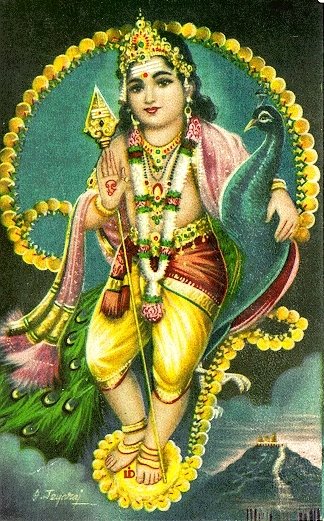
 Hindus believe that the present age is Kali Yugam, the age of darkness and degeneration. The presiding deity of this yugam is Lord Muruga, the Kali Yuga Varadan. His weapon the Vel or spear signifies victory and it is ordained that this will ultimately restore peace and harmony to this chaotic age by destroying arrogance, violence and injustice. The worship of Lord Muruga has been practiced by the dravidians since the pre-christian era. Needless to say that this worship is still continued today with great religious fervour and devotion all over South India and especially in Tamil Nadu.
One of the many legends associated with the origin of Lord Muruga narrates that Lord
 Shiva emitted sparks from his third eye and these fell into the Saravana Poigai (celestial lake) to become six babies. Six divine damsels then sprung forth to nurse the babies and were subsequently rewarded to appear as the Karthigai or Pleaides constellation. When Shiva’s consort Parvati beheld the beauty of these children, she embraced them all together to become one form with six heads and twelve arms. In this form Lord Muruga is known as Shanmukha or Arumuga Swami(the six headed god).
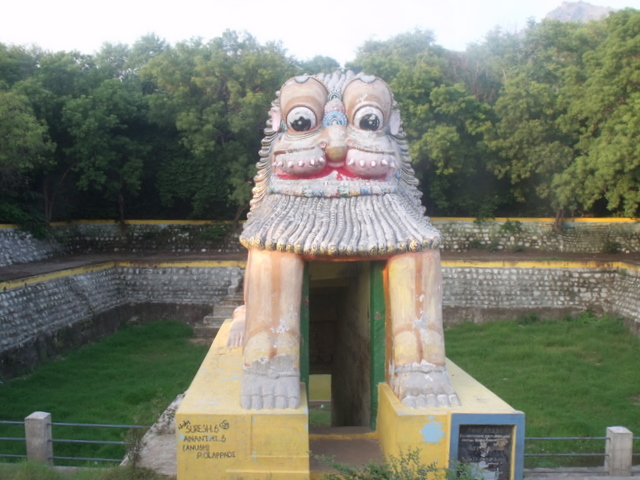
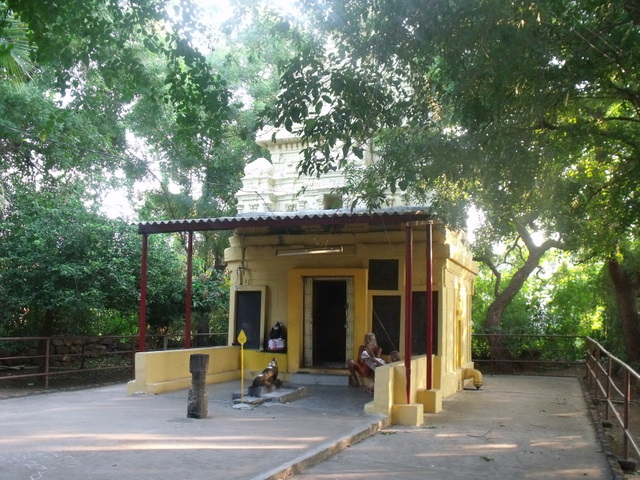
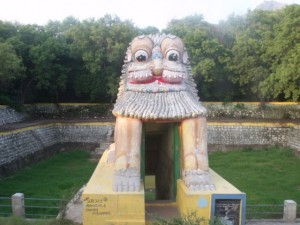
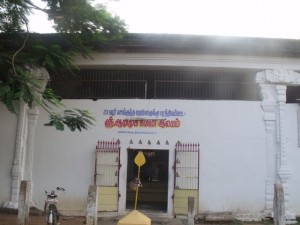
 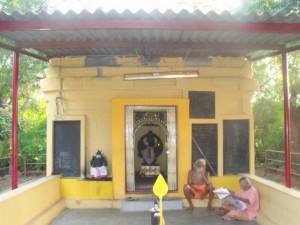 On the Arunachala girivalam, an old temple to Arumuga Swami can be found on the outer Chengam road about half a kilometre after the Arts college and just opposite the Simha Theertham. The temple has a large vestibule like hall in front where sadhus take shelter. Further inside is an open air quadrangle with plenty of trees and greenery. In the centre, is the
 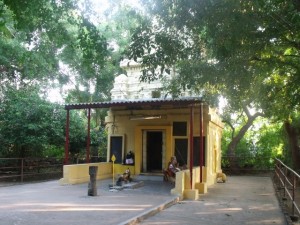 actual shrine to the Lord. The deity is in the form of an ancient stone statue depicting Muruga with six heads and twelve arms, majestically seated on a peacock. As is the custom in many girivalam shrines, an old sadhu officiates as priest and performs the puja It is touching to note that he takes care to wave the arathi flame to each of the six heads in turn by going round the deity. A nice feature of this temple is the quietness inside as it does not attract many people, so it can also be a good place for meditation.
continue reading
-
Deepavali
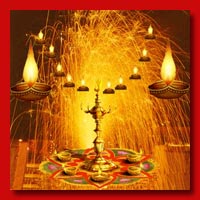 Bhagavan Sri Ramana says this about the real meaning of Deepavali: “He is Narakasura (demon) who feels attached in the thought that he is the body. That attachment to the body itself is a Naraka (Hell). The life of a person who has that attachment, even if he be a Maharaja, is hellish. Destroying the attachment to the body, and the Self shining by itself as Self is Deepavali”.
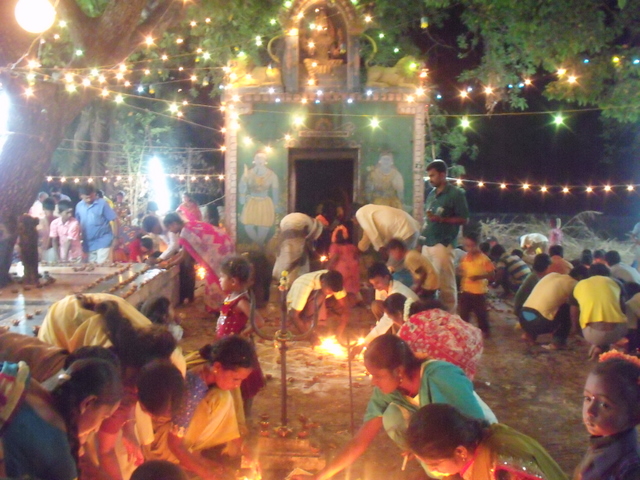
Deepavali is a festival of truimph of good over evil and the word literally means “row of
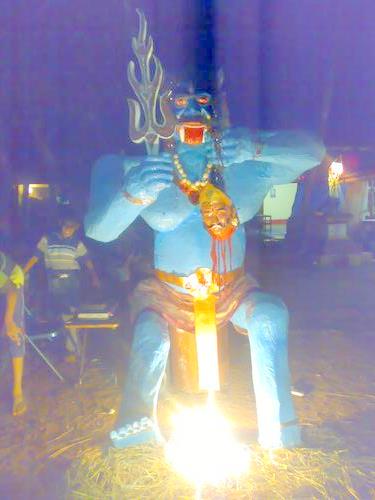
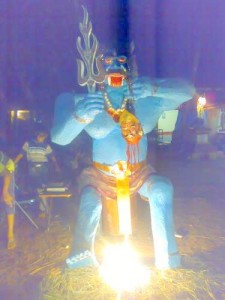 lights”. Though it started as a north-indian vaishnavaite festival it is now celebrated all over India. The legend of Deepavali goes back to times of yore. There was an evil demon called Narakasura who was terrorising the world. People prayed to Lord Krishna to save them and so Krishna came down and slew the demon after a terrible battle. In his last breath, the demon repented his evil deeds and begged Krishna that his death day be celebrated as a festival and that people should wear new clothes, eat sweets and burst fire crackers on that day. Krishna granted the demon his dying wish.
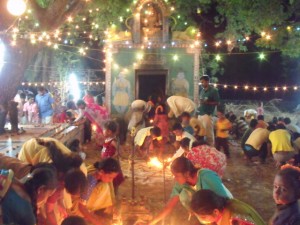 The battle between Krishna and Narakasura took place at night in the forest. After Krishna killed Narakasura, he smeared his forehead with the demon’s blood as a sign of victory and returned to the city at dawn. The women folk received him with joy and gave him a bath to wash the blood off after anointing his head with scented oils. In remembrance of this, on Deepavali, it is still a tradition among the people to wake up at dawn and take an oil bath, that is after applying oil on the head. But the main celebration consists of wearing new clothes and gorging on delicious sweets and setting off a fantastic array of fireworks. This is practiced with great enthusiasm by one and all, especially the youngsters.
continue reading
-
Atma Pradakshina
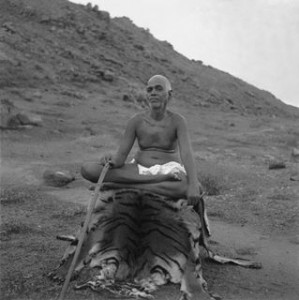 Devotees of Arunachala are well aware of Giri Pradakshina but what is Atma Pradakshina? To find out let us go back to a certain day in May 1946 when Bhagavan was still present physically in the ashram. On that day, Sundaresa Iyer, a devotee who used to bring food for Bhagavan came and bowed before him. Bhagavan asked him, “Did you go around the hill by way of pradakshina ?” “No, said the devotee.” To this Bhagavan said, “last night when people were going out for giri pradakshina because of the moonlight, he also started to go. But he felt he could not complete the round. When they were starting out after telling me, he went around me quickly. When I asked him why he did so, he said, I am afraid I cannot go round the hill. So I have gone around Bhagavan.” “Go round yourself. That will be Atma pradakshina”, so saying Bhagavan began laughing.
Here Bhagavan narrated a relevant story: “Once upon a time, Lord Shiva wanted to teach a lesson to his son Subramanya who fancied himself to be a great sage; so Lord
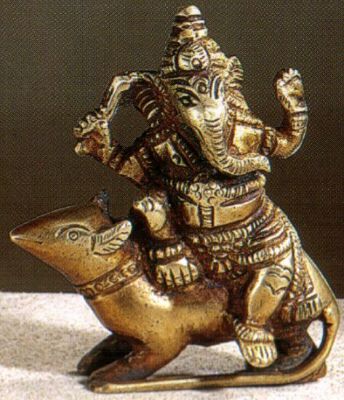
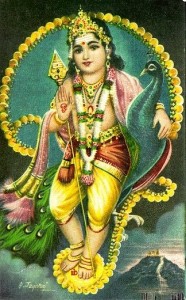 Shiva sat on the top of Mount Kailasam with Parvathi, holding a wonderful fruit in his hand. Seeing the fruit, both the sons of Lord Shiva, Ganesh and Subramanya each asked their father Shiva to give it to him. To this Shiva said that he would give the fruit to whoever of them got back first after going round the whole world. With confidence and pride that he would win the race, Subramanya started immediately riding on his favorite mount, the peacock and began going at a fast pace, frequently looking behind to assure himself that his elder brother Ganesh was not following. What could poor Ganesh do, with his huge belly? His mount was after all a mouse. So he thought it was no good competing with Subramania in the race around the world, and instead went around his parents Lord Shiva and Goddess Parvathi, bowed before them and claimed the reward. When they asked him to justify his action he replied, “All the worlds are contained within you; so if I go around you, it is as good as going round the whole world.” Pleased with his reply, Shiva gave him the fruit and Ganesh started eating it with pleasure.
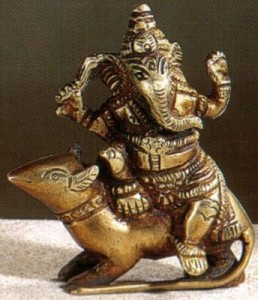 In full confidence that he would be the winner, Subramanya completed his world tour very fast and flew back to Kailash to claim his reward, the fruit from Shiva. To his consternation he found Ganesh sitting there and calmly eating it. Enraged he shouted and asked how that could be, it was unfair and he never saw Ganesh going around before him. So Lord Shiva patiently explained to Subramanya what had happened and how Ganesh came to claim the reward. After hearing this, Subramanya felt ashamed and and realised how full of vanity and pride he was. He bowed humbly before his parents and asked to be pardoned. That is the story.
The significance of this tale is that the ego which goes round like a whirlwind must get destroyed, and must get absorbed in Atma. That is the meaning of Atma Pradakshina” finished Bhagavan.
continue reading
-
Mahishasura Mardhini
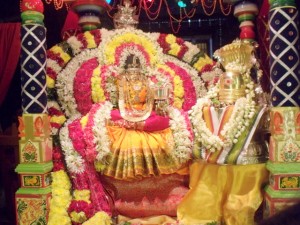 Long long ago there lived a demon (Asura) named Mahisha. He wanted to become invincible and so he prayed to Lord Brahma for the boon of invincibility. With this aim he performed severe penances and austerities. All the three worlds trembled under the strength of his penance. This impressed Lord Brahma who then came down to grant him a boon. Mahisha asked for immortality, which the Lord said he could not have as every creature that was born had to die. Mahisha decided that he would cunningly ask for a boon that would make him as good as immortal. He asked that no man should be able to kill and if he had to die, it should only be at the hands of a woman. He was sure that no woman could ever fight against him however strong she would be.
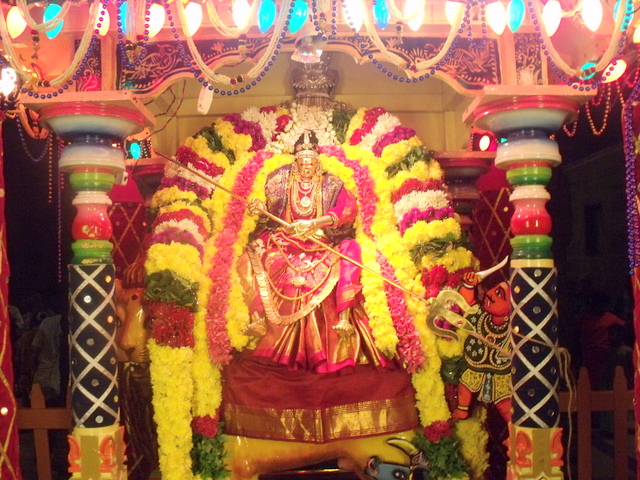
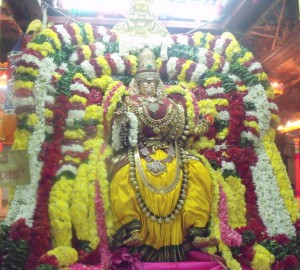 Now that Mahisha was invincible, he started doing evil deeds and terrorising the people on earth and boldly tried to conquer the gods in heaven. His attack was so powerful that even Indra’s mighty thunderbolt could not drive him away. Mahisha drove out the Gods and took over Indra’s throne and started harassing all the pious people who continued praying to Vishnu or Shiva. Unable to tolerate his tyranny, the gods pleaded with Vishnu to put an end to the demon. The Trinity of Brahma, Vishnu and Maheswara (Shiva) joined together to create an all powerful female form with ten arms – Goddess Durga or ‘Mahamaya’, the Mother of the Universe who embodies the primeval source of all power. The gods then bestowed upon this Supreme creation their individual blessings and weapons. Armed like a warrior, the goddess appeared on the back of a fierce lion to battle with the Mahisasura. After a fierce combat the ‘Durgatinashini’ was able to slay the ‘Asura’ king with her trident. She thus earned the title of Mahishasura Mardhini – the destroyer of Mahishasura. Heaven and earth rejoiced over her victory and everyone, gods and humans alike chanted loudly the refrain of supplication before this Supreme Power:
“Ya devi sarbabhuteshshu, sakti rupena sanksthita Namasteshwai Namasteshwai Namasteshwai namo namaha.”
Vijaya Dasami is the day on which this event happened. It is the tenth day after the nine nights of Navaratri and signifies the victory of the Goddess Durga over the powers
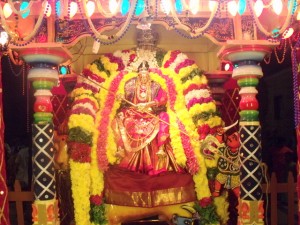 of darkness. It is believed that the famous battle between Durga and Mahishasura took place right here on the slopes of Arunachala. Thus the brave Parvathi took the form of Durga, the fierce Shakthi and screamed at Mahishasura, “This is a sacred place where only sages and devotees of Arunachala can reside, therefore do not incur the wrath of my Lord and be burnt by Him. It is ordained that I should fight and kill you.” Hence She took him outside the borders of Tiruvannamalai. After a nine day battle She slayed him and returned to Tiruvannamalai truimphantly, where She continued her tapas on the slopes of the holy mountain. Thus the Navaratri festival although celebrated all over India, has the greatest significance in Tiruvannamalai.
continue reading
-
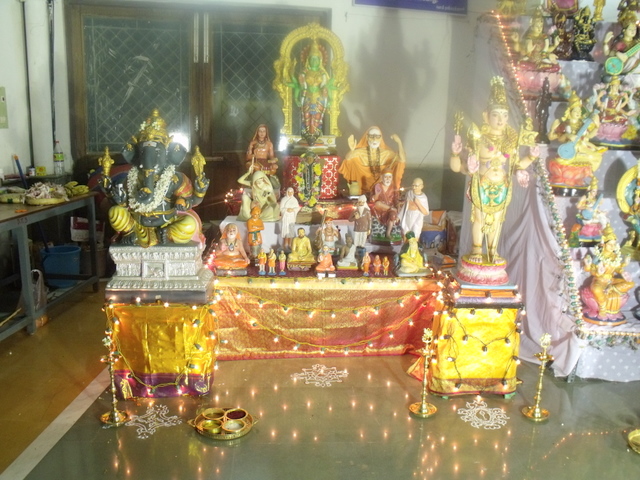
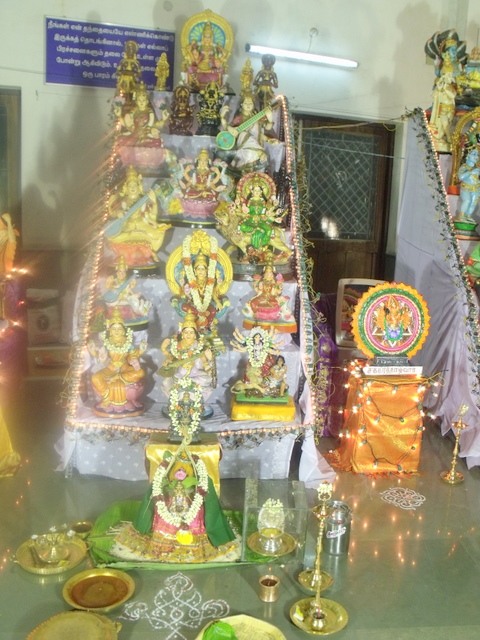
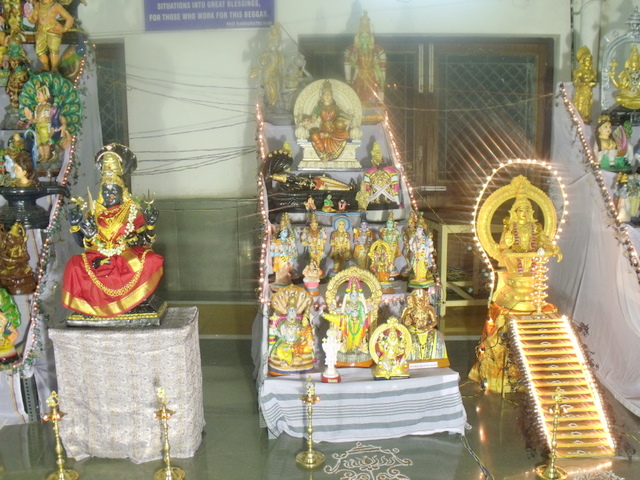
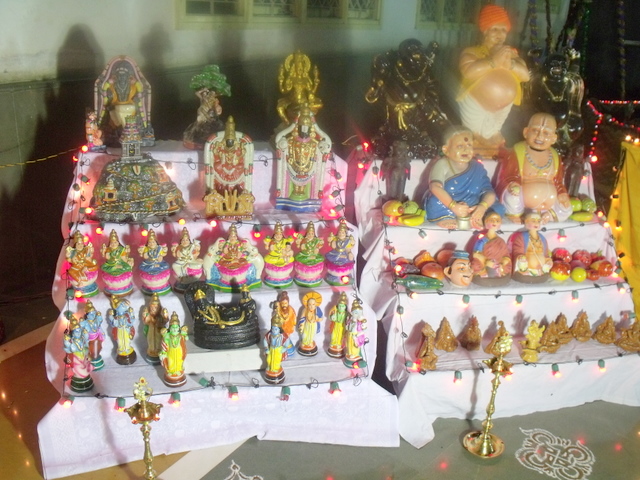
Golu in Yogi Ram Ashram
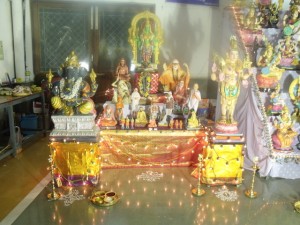 During the Navaratri festival, the Yogi Ram ashram in
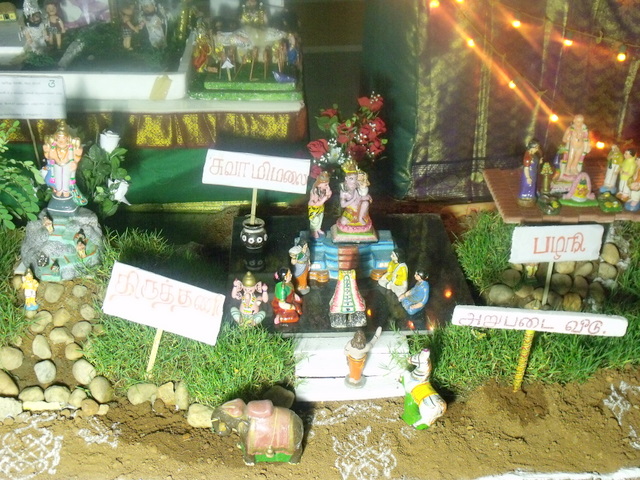
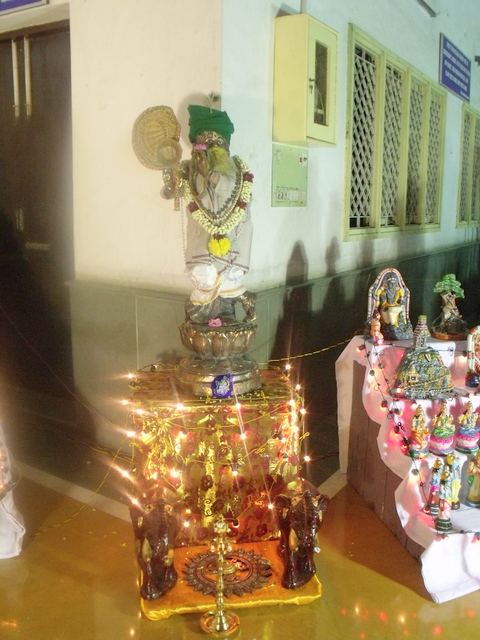
 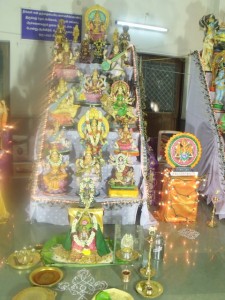 Tiruvannamalai put up a spectacular and fantastic Golu in their main hall. Extending for over a hundred metres, this Golu was a real spectacle to watch. Every God of the hindu pantheon was present. Not only that, all the saints from all religions were also there. Many of the major holy places and temples in India were represented in detail.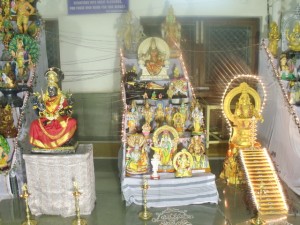
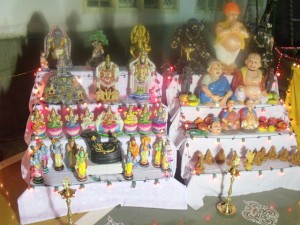 It must have taken days for them to arrange this elaborate Golu. Hilly places were made from real mounds of earth with grass growing on them. Even the rare Amarnath Ice lingam shrine was arranged with the use of
 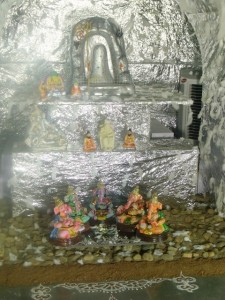 silver foil to make it look like ice. Famous Lord
 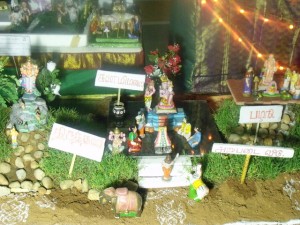 Muruga shrines like Palani, Lord Vishnu shrines like Tirupathi and Lord Shiva shrines like Chidambaram were displayed with the appropriate structures.
The saints were also represented in their forms including a special shrine for Shri Yogi Ram Surath Kumar, the Guru of this ashram whose remains
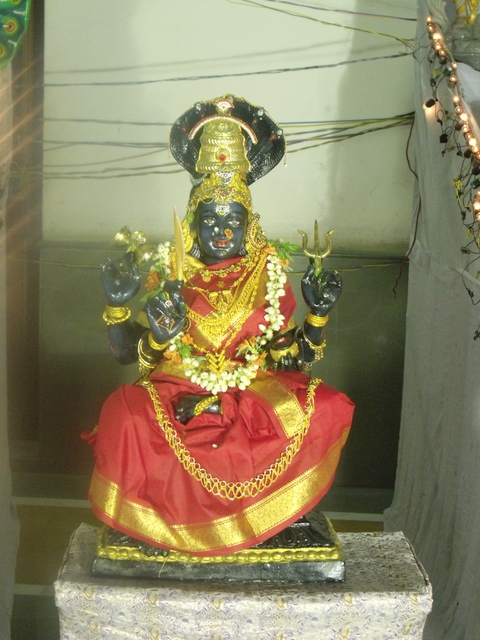
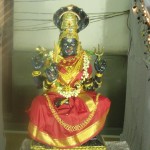
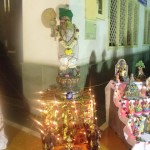 are interred in this place. The Devi goddess was displayed in every one of her numerous manifestations. Beautiful
  kolams were drawn in front of each array of gods and brass lamps were burning with prasad offerings placed in front. Apart from this, there were lovely golden serial lights strung everywhere to give a festive aura to the whole show.
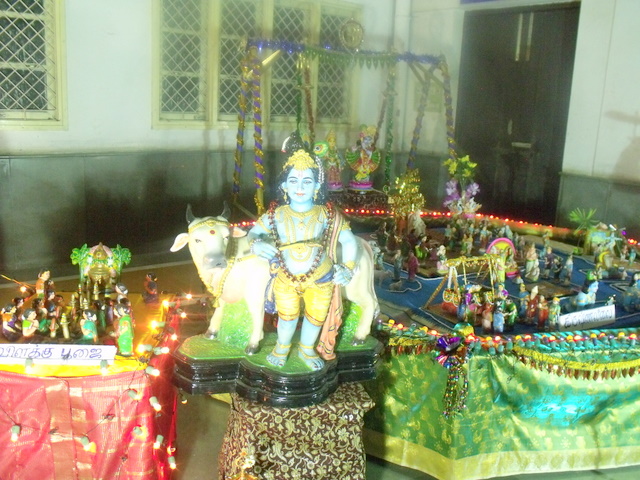
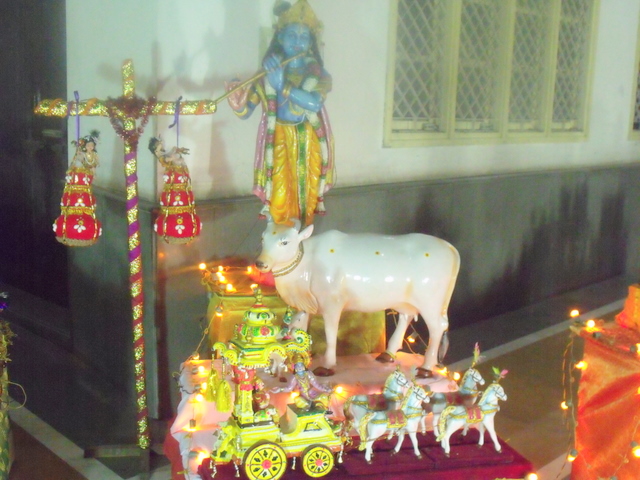
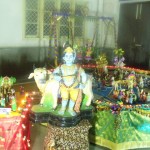
The various Leelas of Sri Krishna were depicted in
 intricate ways and with different sorts of toys and little figures crafted in wood and stone to add ampleur to the story. Sri Krishna, the favorite deity of Yogi Ram was
 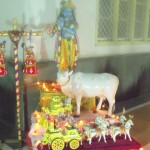 revered in a special shrine in the popular form of the cow herd playing the flute to the Gopika maidens. Many other events from hindu mythology were also depicted with great detail and taste. It was indeed a rare treat to see this wonderful Golu in Tiruvannamalai and devotees were loud in their praises for this splendid and holy exhibition.
continue reading
-
Navarathri Begins
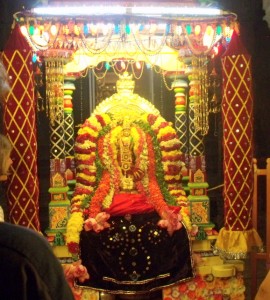 The grand festival of Navarathri has just begun. It is a time of
 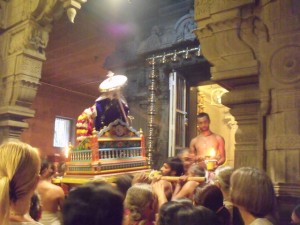 worshipping the Goddess Parvathi in all her different forms notably Durga, Lakshmi and Saraswathi. Navarathri is celebrated elaborately in the big temple of Arunachaleswara, in Ramanashram and Yogi Ram ashram as well as in a few Goddess Shakthi shrines on the girivalam. In some brahmin households, they hold a Golu which is an exhibition of statues of all the gods and goddesses of the hindu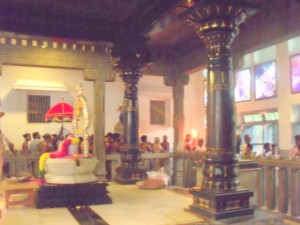
 pantheon displayed according to mythological order on a range of wooden steps called the Golu padi which often number 5, 7 or 9. Children are usually on holidays at this time and take a lot of interest in this arrangement. They go about dressed as Radha or Krishna to participate in different Golus and sing bhajans in favour of the Goddess. The traditional prasad distributed is Sundal, a dish made of many sorts of grams and pulses cooked and seasoned tastily.
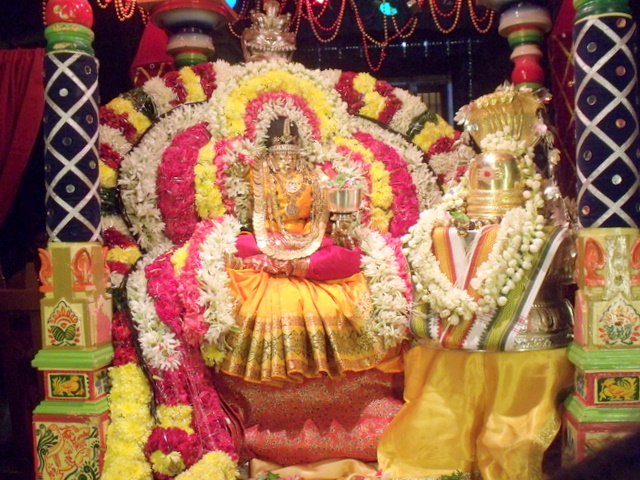
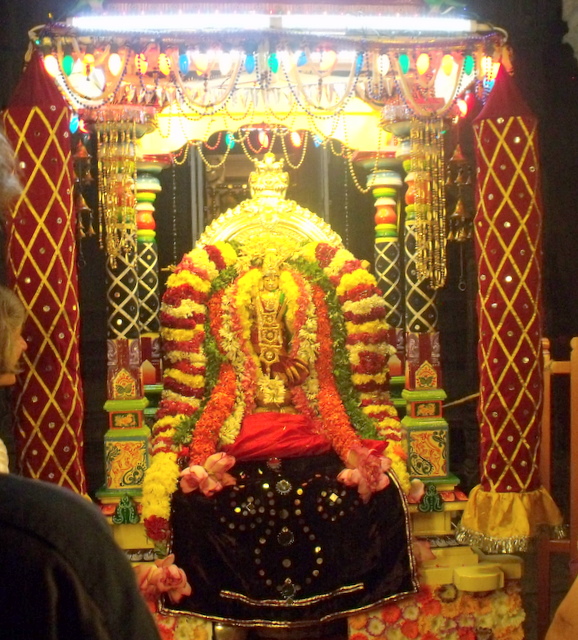
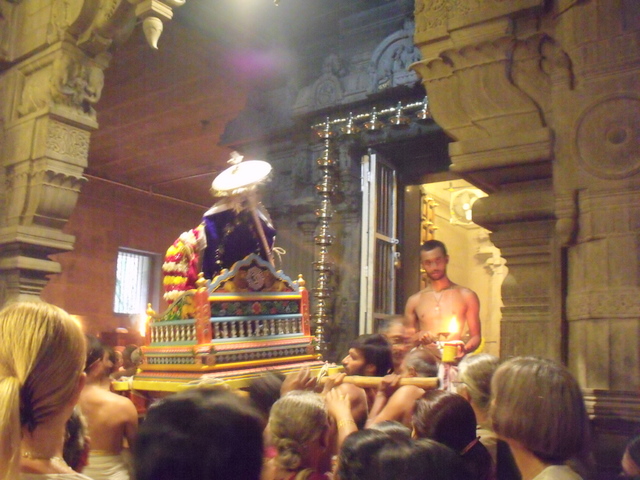
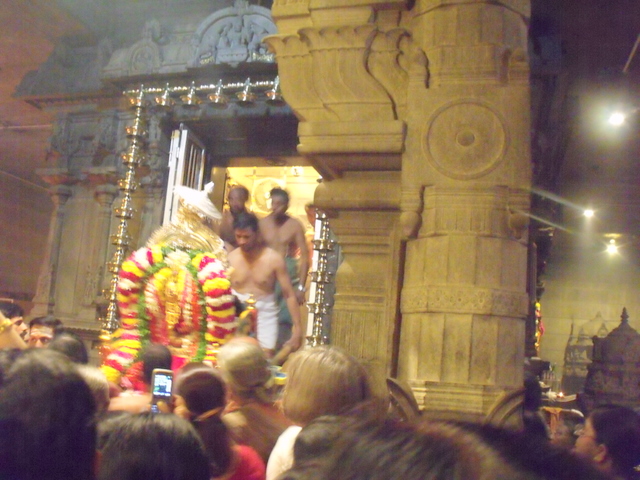
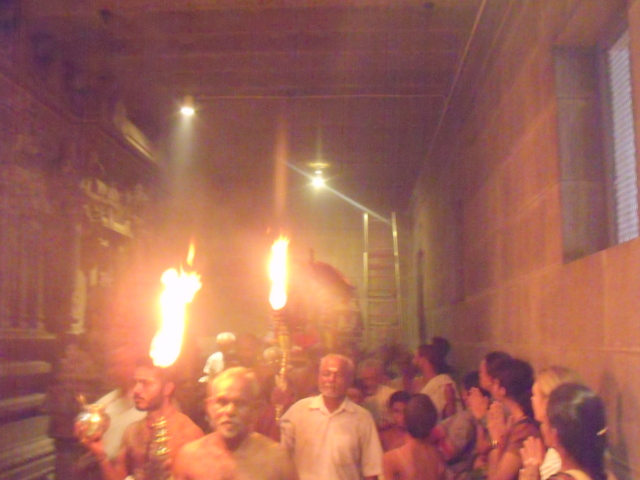
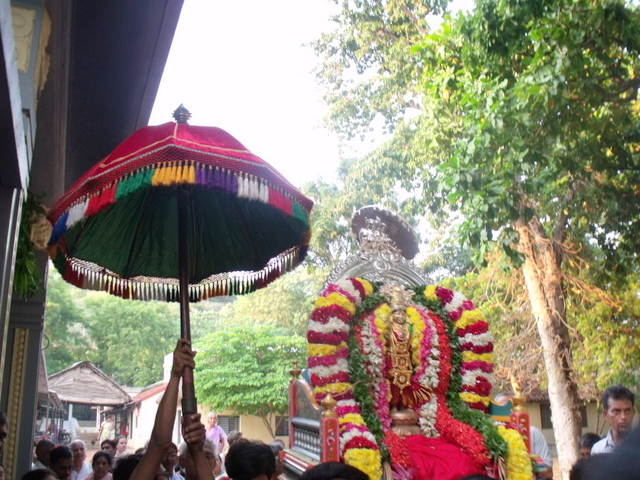
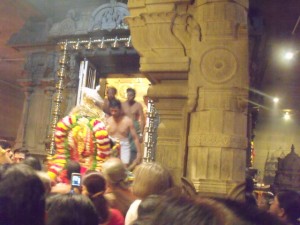
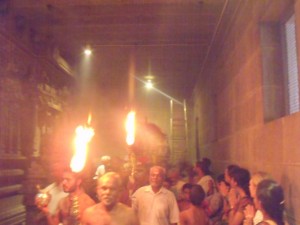 In Ramanashram, on the evening of Mahalya Amavasai, the goddess Yogambika was taken out of the Mother’s shrine and
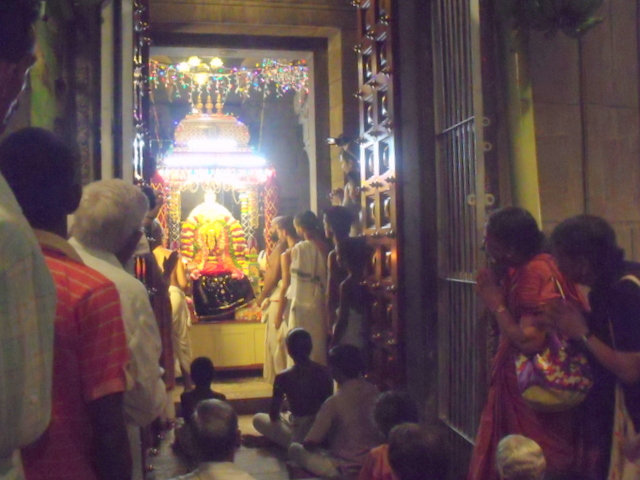
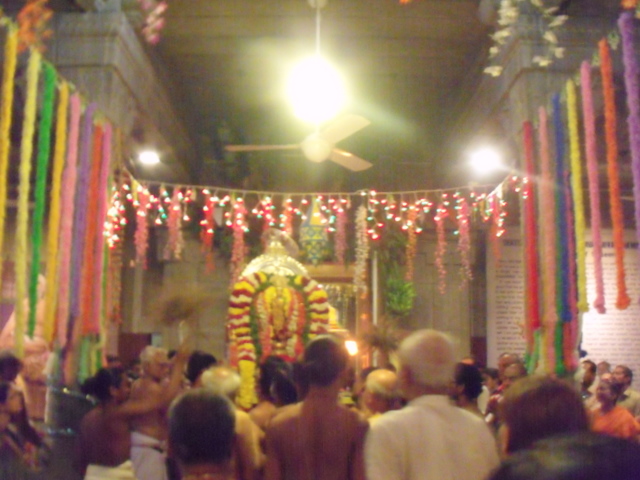
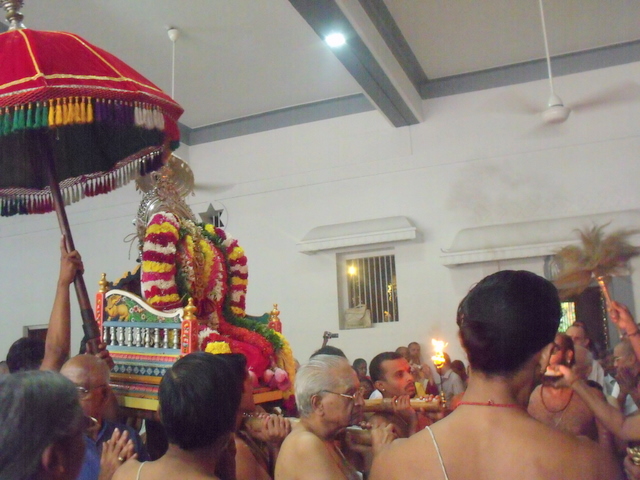
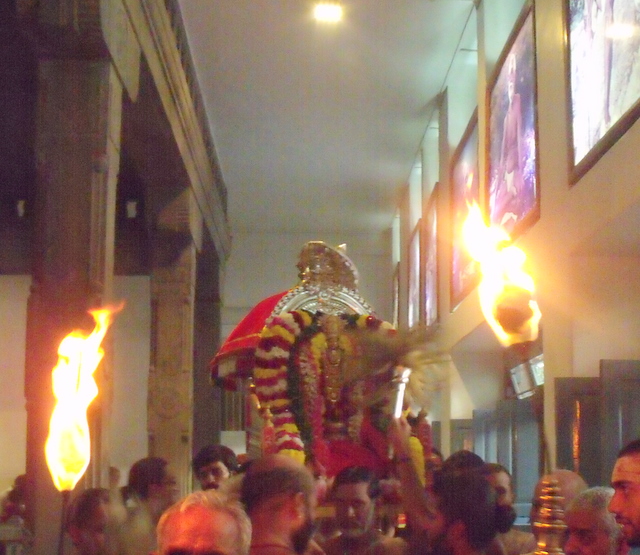
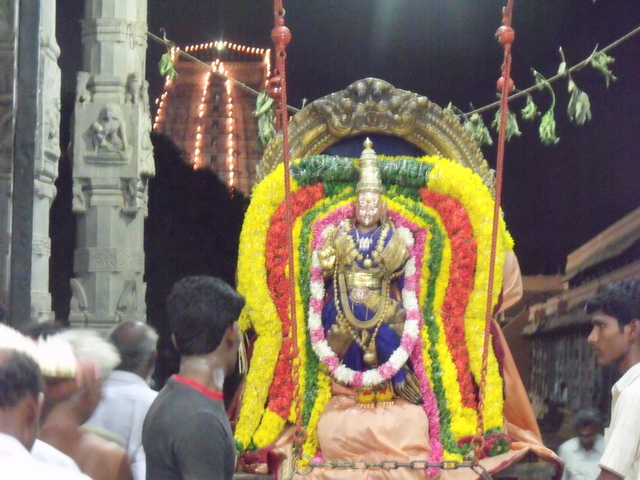
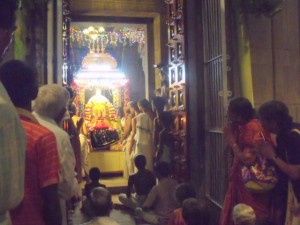
 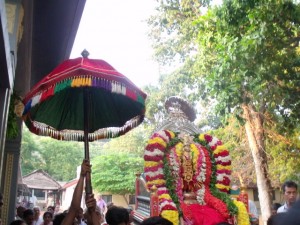 borne in procession around the shrine and the samadhi hall of Sri Ramana. Then She was borne outside to take darshan of Arunachala after which she was brought inside the Mothers shrine through the main entrance and installed in a splendidly decorated shrine right in front. Here she will stay for the next nine days and nights and be decorated differently each evening according to the legendary form that she chooses to manifest on that day. Hundreds of devotees throng the ashram already in eager anticipation of the next nine days.
 Navaratri is a festival of nine nights dedicated to the Goddess
 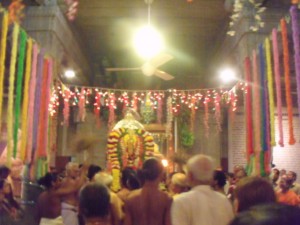 Shakthi (Parvathi or Amba) in her different manifestations. The legend of Navarathri starts with the penance of the Goddess on the slopes of Arunachala. Separated from her Lord (due to having playfully closed his eyes with her hands), the Goddess yearns to be reunited with Him. The great sage Guatama advises her to perform penance on the slopes of the holy
 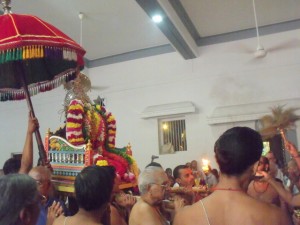 Hill Arunachala and accordingly she comes here and sits in Tapas
 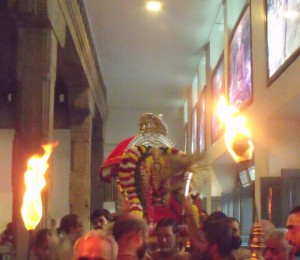 (penance). She follows the various scriptural injunctions and exhibits her devotion to the Lord in various ways. During the nine days of penance she manifests herself each day in one of her different forms. On the tenth day she assumes a terrifying form of Mahishasura Mardhini, slayer of demons and vanquishes the evil demon Mahisha on the slopes of Arunachala. Thus this festival is of particular significance in Tiruvannamalai since it was here, millions of years ago that the first Navarathri actually happened.
continue reading
-
Mahalya Amavasya
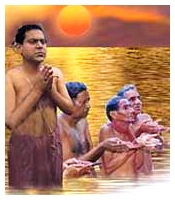 The cycle of the waning moon in the month of Puratasi or Aswayuja (September-October) is known as the Mahalaya Paksha or the fortnight specially sacred for offering oblations to the departed ancestors. The last day of this period, the new moon day, Mahalya Amavasya is considered as the most important day in the year for performing obsequies and rites to departed souls.
According to hindu mythology, the renowned hero of the Mahabharata, Karna, after his death ascended to the higher worlds. Here the great charity and punyas he had done here bore fruit and were returned to him hundredfold. But the reward was all in gold and silver and precious stones; there was no food, as he had not done any food-offerings ! Therefore He prayed to the god of death and received the boon of going back to the earth for fourteen days, to make up for this deficiency.
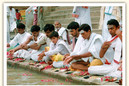 For fourteen days, he fed Brahmins and the poor, and offered oblations of water. On his return to the higher regions, he had food in plenty. It is these fourteen days that are commemorated in the Mahalaya Paksha. Due to the grace of Yama, the god of death, it was thus ordained that offerings made during this period benefit all the departed souls, whether they are connected to you or not.
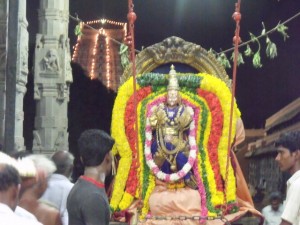 In Tiruvannamalai, plenty of food distribution and sadhu feeding take place during this
 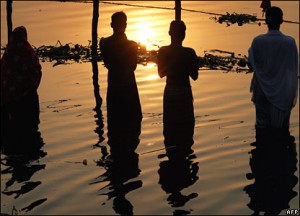 time mostly on the girivalam road. Also there takes place a lot of brahmin feeding and rites to departed souls on the banks of the Isanya theertham which is near the cremation grounds at the end of town. Moreover, on the fifteenth day which is the night of Mahalya Amavasya ,the festival of Navarathri commences and the Goddess Parvathi is brought outside in procession and installed in a special pavilion where she is worshipped for the next nine days.
continue reading
-
Ramana’s Advent to Arunachala
In the year 1896, on the first of September, Sri Ramana as a young lad of sixteen,
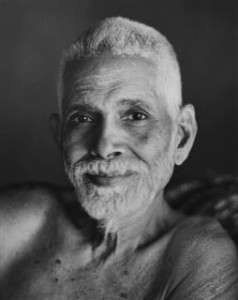 arrived at the feet of the Holy Mountain. About a month earlier, in mid-July, he had already had his first death-experience and attained the highest truth which he called later ‘Self-Realisation’. After this he became indifferent to his boyhood life, studies, play etc and began to seek solitude. Due to this, his elder brother taunted him and the young boy Ramana understanding the truth behind his brother’s rebuke, left his parental home leaving a note that he was going in search of his father. With this farewell note he left Madurai for ever.
Right from the time he left his house, a series of miracles took place and Arunachala mysteriously guided the youth to his final destination. It was Arunachala who delayed the train’s departure so that Ramana could board it and later on appeared in the form of a Maulvi in order to give the lad directions to reach Tiruvannamalai and then, lo and behold, actually granted divine dharshan to the boy in the form of a column of effulgence in the temple of Ariyanainallur.
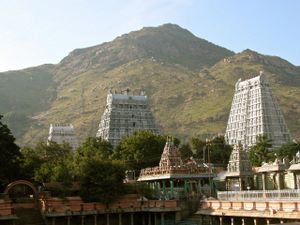 Not many people know that the doors of the Arunachaleswara temple which were closed habitually at the time of his arrival, started to open one by one of their own accord just as Sri Ramana entered. Indeed is there any doubt left that the Son had thus returned to his Father’s house?
Who can describe what Ramana felt when he saw the Hill for the first time? In his own words: “I came up here and saw, and found thou stood as a Hill, But who then is the seer … no seer then remained. No mind
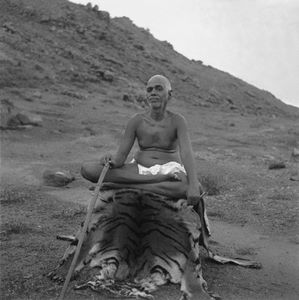 survived even to say that I saw this, or even to say I didn’t.”
Like last year, this year also, on September 1st in Ramanashram, the Madurai Ramana Kendra conducted a series of parayanams (religious chanting) at the Samadhi shrine and at the Mothers shrine, as a way of commemorating Advent. Devotees participated in the chanting and thanked the Gods for bringing them to the Abode of the great Master whose Eternal Presence continues to thrill millions…
continue reading
-
Vinayaka Chathurthi
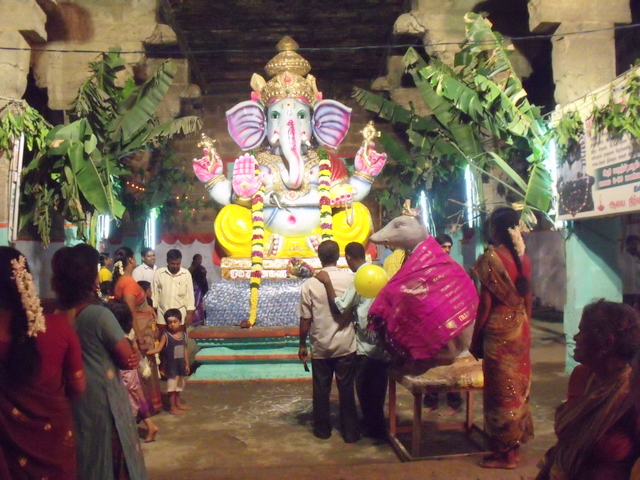
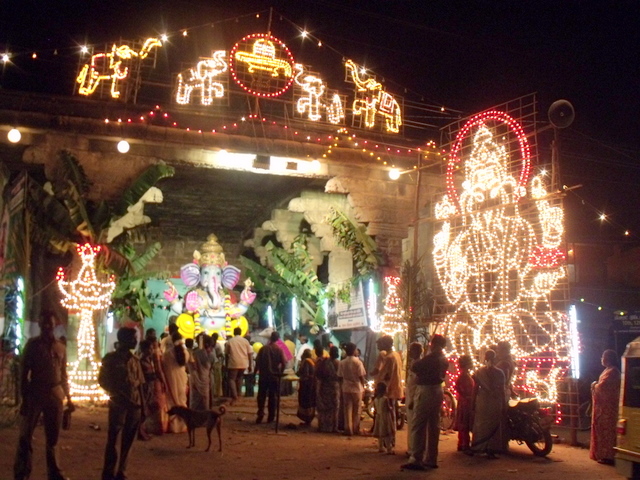
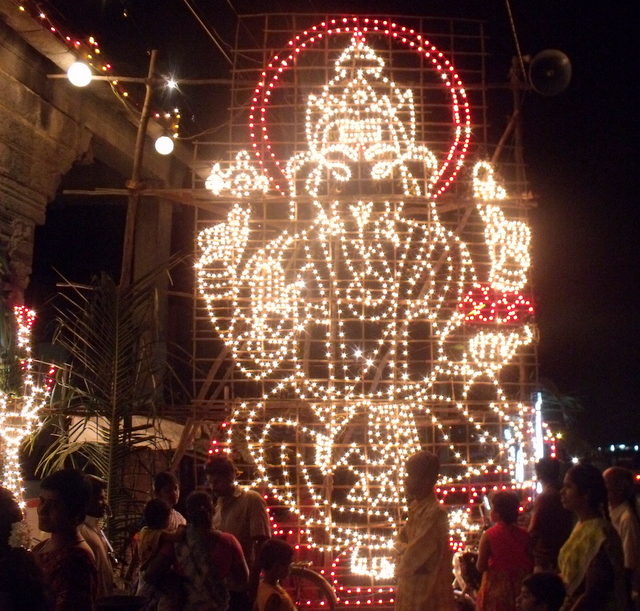
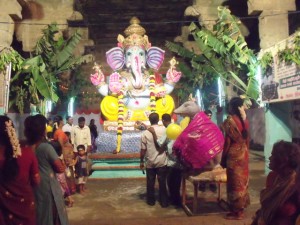 Vinayaka Chathurthi is the birth anniversary of Lord Ganesha and is celebrated in a grand manner all over India and in Tiruvannamalai also. All over the town, there were idols of Ganesh installed in special shrines and worshipped with pujas and loud chanting in praise of the favorite elephant god. This year, Ganesha Chathurthi fell on the 31st of August. Hindus believe that Lord Ganesha is the God who has the power of removing all obstacles and making one’s path clear whether it be worldly or spiritual. Any new undertaking, either at one’s place of work or at home, always starts by reciting a mantra invoking his blessings. He is also known as the God of good luck and prosperity.
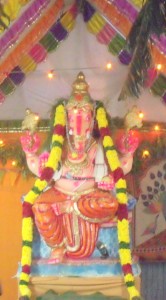 The most popular legend associated with Lord Ganesha can be found in the Shiva Puranam. Here it says that Lord Ganapati was created out of the dough that Goddess
 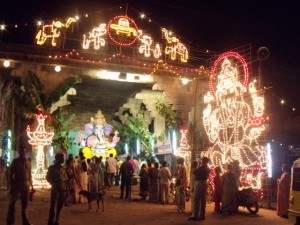 Parvati used for her bath. The Goddess wanted a gate-keeper, to keep visitors away while she took her bath. So She created a male doll from the dough and breathed life into it. The day she did this came to be known as the birthday of Lord Ganesha, which we celebrate today as Ganesh Chathurthi. One day while Goddess Parvati was taking her bath, Lord Shiva came to visit her. Ganesha did not know him, so he did not allow the Lord to enter the house. This made Lord Shiva angry and he cut off poor Ganesha’s head. Later, when he came to know the truth, he replaced Ganesha’s head with the head of an elephant. After this, the appearance of Lord Ganesha changed and he became the elephant-headed god.
 There is yet another popular legend associated with Ganesha Chaturthi, from Skanda Puranam. According to this one, Ganesha was once invited for a feast in Chandraloka (the Moon’s abode). Our Ganesha being quite fond of sweets, ate Laddoos till his stomach bloated, so much so that as he got up to walk after the meal, he could not balance himself because of his huge stomach and he slipped and fell. His stomach burst and all the laddoos came rolling out. Seeing this, the Moon was highly amused and burst out laughing. Ganesha got angry and cursed the Moon that it would vanish from the universe. Because of the Moon’s disappearance, the whole world began to wane. The gods asked Lord Shiva to get
 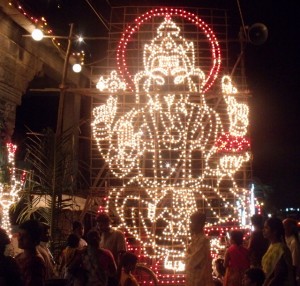 Ganesha to revoke his curse. The Moon also apologized for his misbehavior. Finally, Ganesha modified his curse saying that the Moon would be invisible only on one day of the month and would be partially seen on Ganesha Chaturthi. He also added that anyone who looked at the moon on Ganesha Chaturthi would face a false charge. This is the reason why, even today, it is considered inauspicious to look at the moon on Ganesha Chathurthi.
continue reading
-
The wild Elephant and the Lion
A seeker asked, “The ancients say that for a person who wants to know the real state, sadhana (spiritual practice), sravana (listening to the Truth), Manana (reflection on the Truth) and Nidhidhyasana (abidance in the Truth) are absolutely necessary till the very end. Is that so?”
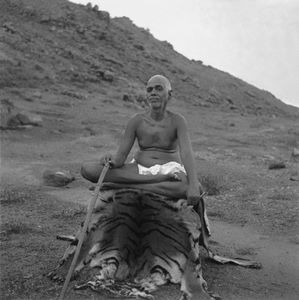 Bhagavan replied: “They are necessary only to get rid of the various things that come from outside and that too for purposes of sadhana only, but not for realising the Self. One’s own self is there at all times and in all places. Sravana etc are to be resorted to only to get rid of external influences but if they are regarded as the most important things they will be the cause of the development of further ego such as ‘I am a learned man, I am a great man’ and the like. That is a big samsara. It is difficult to get rid of it later on. It is bigger than a wild elephant. It will not yield ordinarily.”
“For that wild elephant, it is said that Guru Kataksham (the Grace of the Guru) is like seeing a lion in its dream”, said the questioner.
“That is true. If an elephant sees a lion in its dream, it wakes up startled and will not
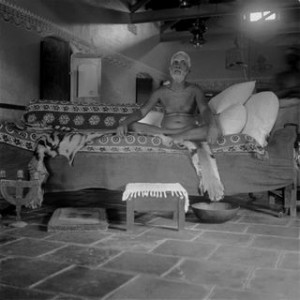 sleep again that day for fear that the lion might appear again in a dream. In the same way in a man’s life which is also akin to a dream, it is not Guru Kataksham alone, but also sravana, manana, nidhidhyasana etc that are akin to the sight of a lion in a dream. As they go on getting these dreams they wake up, and again go to bed and by efflux of time they may some day get a lion’s dream called Guru Kataksham in an intense manner. They get startled and obtain jnana. Then there will be no more dreams and they will not only be wakeful at all times but will not give room for any dreams of life but will remain alert until that true and real knowledge is obtained. These lion’s dreams are unavoidable and must be experienced”, said Bhagavan.
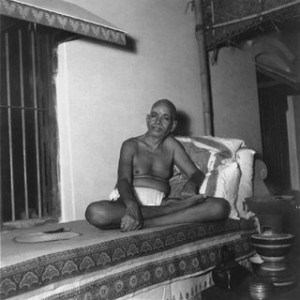 With some surprise the questioner asked, “are Sravana etc and Guru Kataksham akin to dreams?”. “Yes, that is so. For those who realise the truth, everything is akin to a dream. That being so, what do you now say, is the truth? During sleep you have no control over this body. You wander about in various places with different bodies. You do all sorts of things. At that time everything appears real. You do everything as if you are the doer. It is only after you wake up that you feel that you are so and so, that what you experienced in the dream is unreal and that it was only a dream. …
…. When you are able to understand your state which had been existent all the time,
 you will then understand that all the rest is a dream. When that is known, the feeling that the Guru is different from you will disappear. But then, since this realisation must come about because of Guru Kataksham, that Guru Kataksham is likened to the dream of a lion. That dream must be intense and must imprint itself in one’s mind. It is only then that a proper wakefulness will come about…”
Courtesy: Letters from Ramanasramam by Suri Nagamma
continue reading