-
Girivalam shrines – Vallalar Mantapam and Kovil
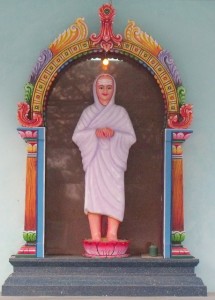 Vallalar was a saint who lived in Vadalur near Chidambaram during the early half of the 19th century. This is the legend of his life and teaching: “Vallalar is believed to have realized the supreme and universal Divine integrally and his body became transformed and filled with Light so much so that it did not cast its shadow on the ground. He eventually attained a transformed and divine golden physical body, deathless and
  ever indestructible, shadowless and sleepless, and full of Light, Amrita and blissful energies and with a potential power to resurrect the dead into the body. He preached deathlessness of the body and said that it was by an error that people were consenting to death. After about a year or two of attaining the Deathless body, he sacrificed it by dematerialization in 1874 in the very concrete Presence of the Divine at his place in order to make the God of Vast Grace – Light manifest so as to stay on and directly rule the earth and to enable him to enter into all the physical bodies universally”.
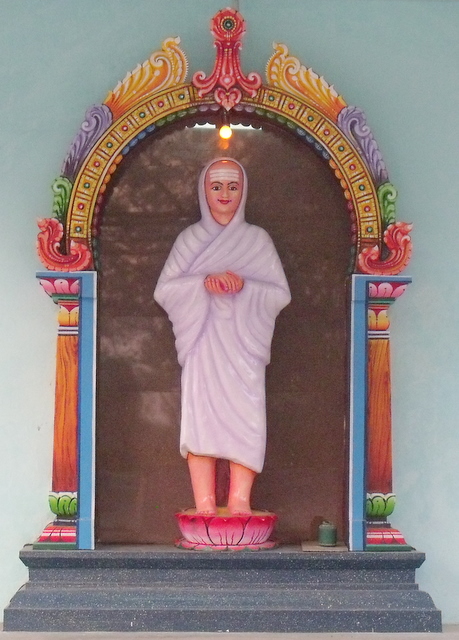
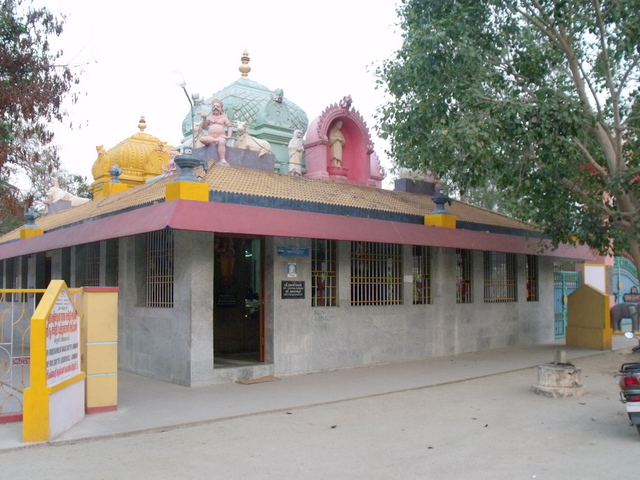
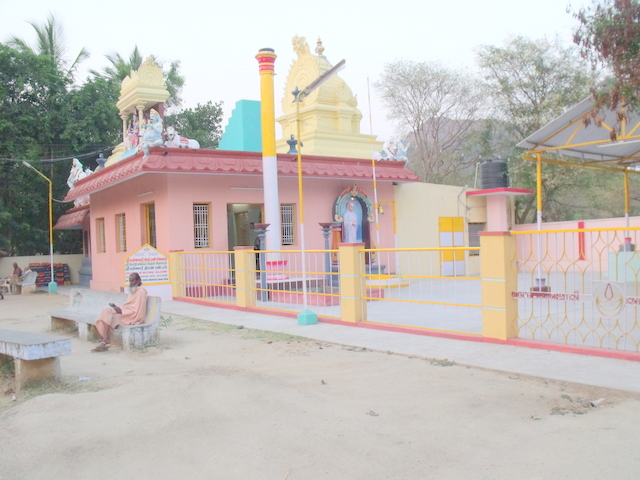
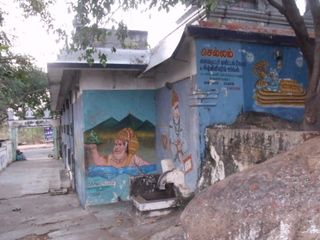
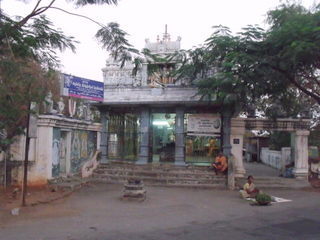
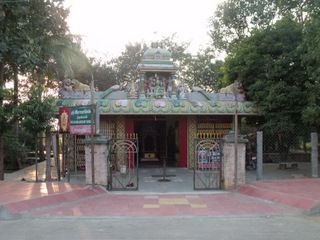
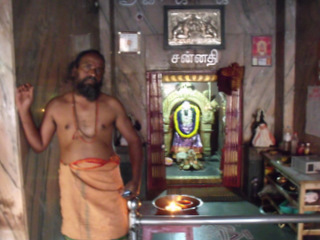
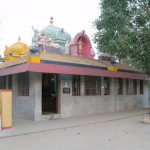 The shrine to Saint Vallalar can be found on the right side on the
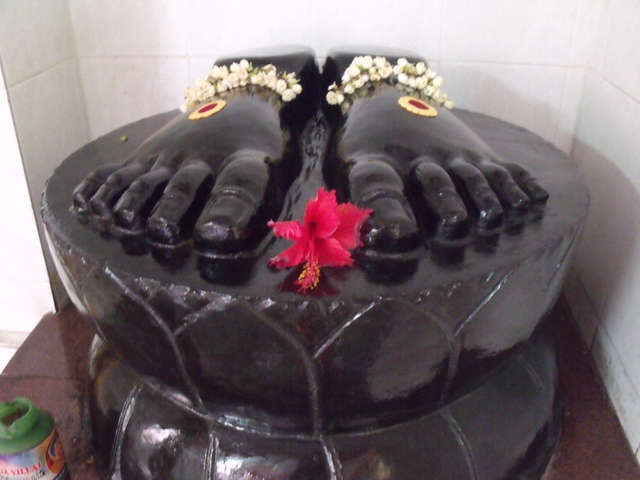
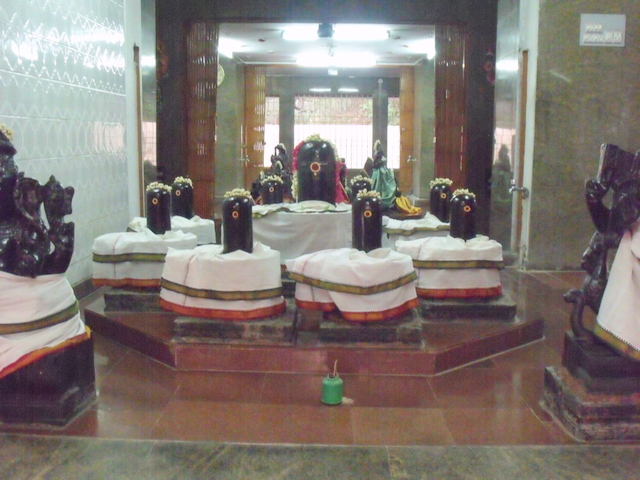
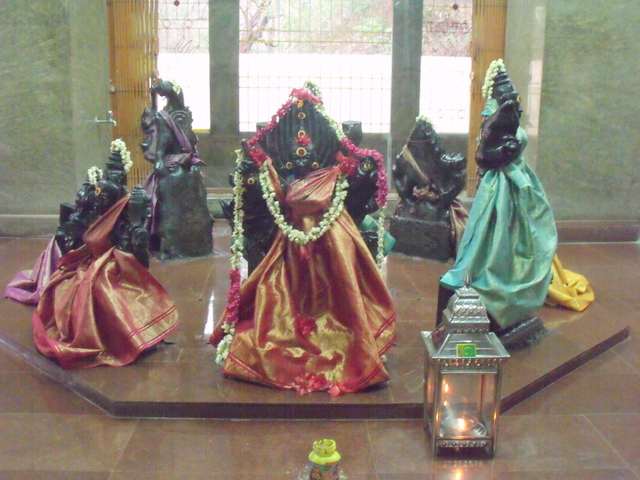
 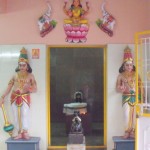 outer girivalam road about a hundred metres after the Nirudhi Lingam. It is set in a modern concrete structure with enclosed rooms and open areas. One of the rooms houses a shrine to the saint and also a small shrine to a Shiva Lingam and Nandi. There are also some statues of the saint in the open areas where one can sit and meditate, facing the hill. Within the courtyard, inside another room
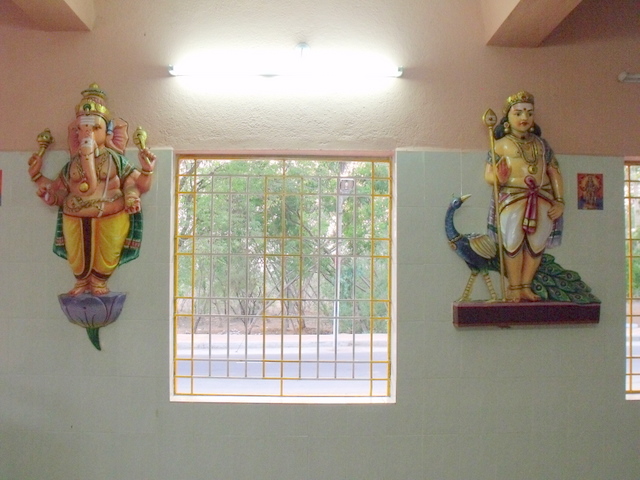
 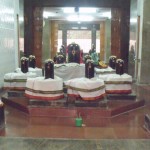 which is fully tiled with polished granite, there are shrines to the Ashtalingams, and the Navasakthi goddesses. On the walls of this room are gaudy modern cement sculptures of
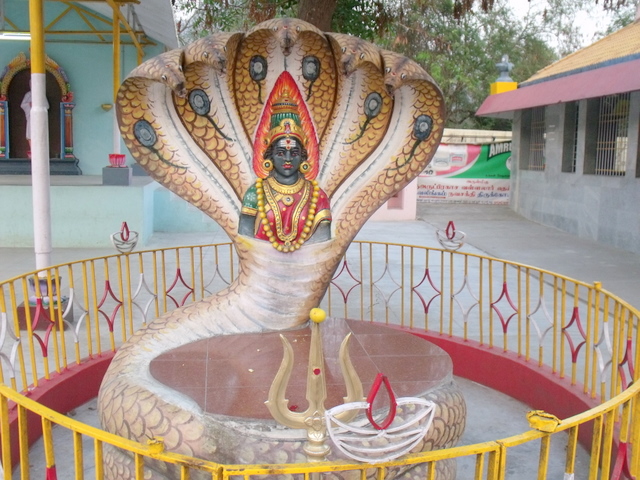
 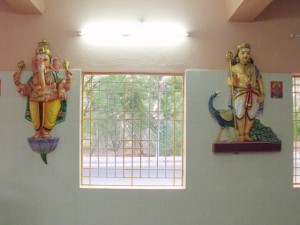 many gods and goddesses from the hindu pantheon. The arrangement of the deities seems to have no rhyme or reason and just seem to be placed here and there with no adherence to vedic rules regarding the placement of deities in a temple nor to any taste of interior decor. Beside the entrance, under a neem tree, is a cement sculpture of a huge 5
 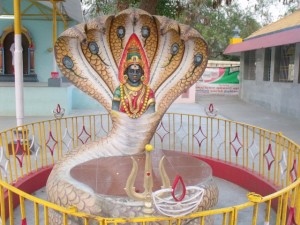 headed serpent on which a female goddess figure is portrayed. There seems to be a sad lack of local flavor
 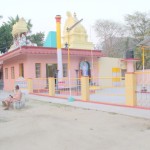 and devotion and the whole place looks sterile and devoid of energy. However on Sundays and full moon days, this shrine is jam-packed with people because of the huge amount of free food which is cooked and distributed there to one and all !

continue reading
-
Ashta Lingams – South – Yama Lingam
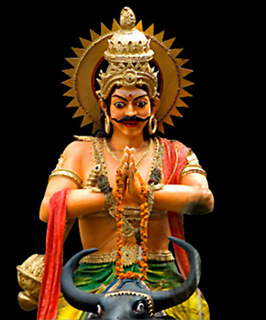
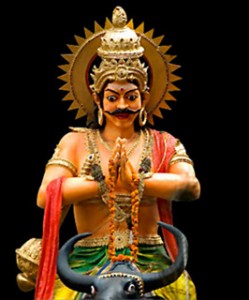 Yama is the hindu god of Death. He is the son of Surya and Sanjana. According to the Vedas, Yama was the first man who died. He presides over the resting place of the Dead. Due to his unswerving dedication to maintaining order and justice and his adherence to harmony, Yama is known as Dharma. Believed to be wisest of the Devas, Yama is revered as the teacher in Katha Upanishad. He is also supposed to be the one of the most ancient beings of the world. However even Yama is subordinate to Shiva and this is brought out in many hindu legends. Whereas Yama is called Kala or Death, Shiva is called Maha Kala or Great Death.
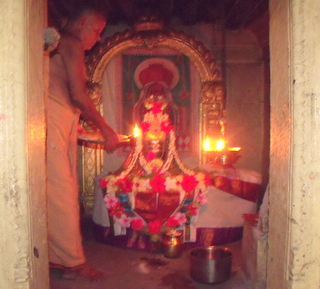
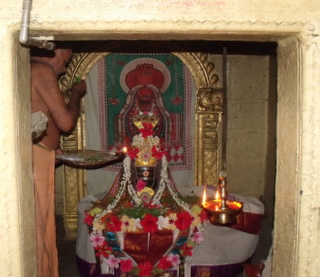
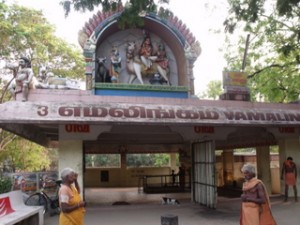 Yama is the deity governing the southern direction and the Ashta Lingam of the South is of course the Yama Lingam. The shrine of
 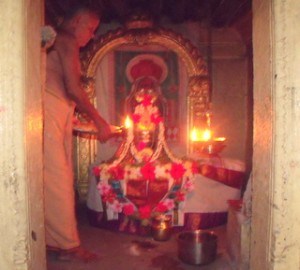 Yama Lingam is located appropriately beside the cremation grounds and cemetery on Chengam road about 2 kilometres after Ramanashramam. Every time there is a death, the mourners offer an Abhishekam to the Yama Lingam after cremating the corpse. This is a usual practice. Apart from funerals and the full moon crowds, this Lingam does not seem to have any regular devotees and presents quite a deserted appearance at other times.
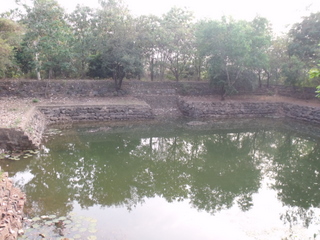
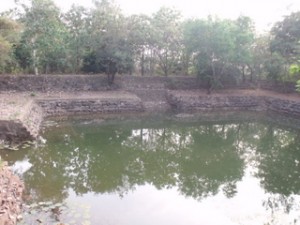 The Yama Theertham is a large pond of water situated behind the shrine and is set in a very beautiful scenic place with an
 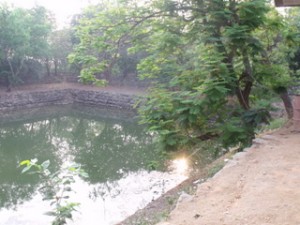 abundance of flora and fauna all around. The waters of the Theertham are perennial due to the efforts of the ARS (Annamalai Reforestation Society) in having desilted and unblocked the water channels from the Hill which flow into the Theertham and having constructed culverts under the Chengam road to enable the water to flow in freely.
During our next giripradakshina, while we pay our homage at the shrine of
 Arunachala-Yama Lingam, may we all learn to embrace Death fully in the way Ramana taught and remember that “True Death is Eternal Life” !
continue reading
-
Sri Vidya Havan in Ramanashram
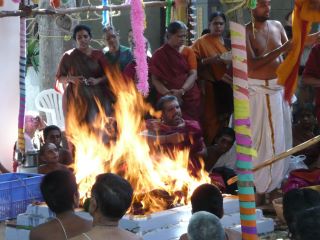
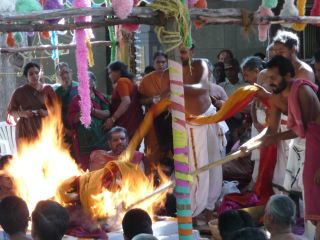
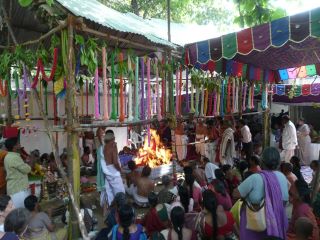
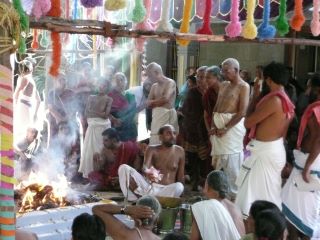
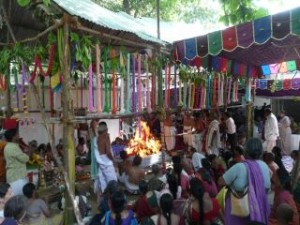
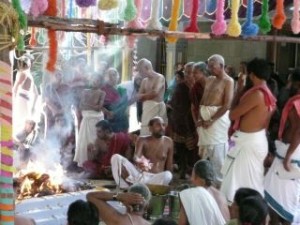
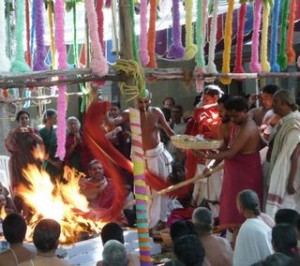
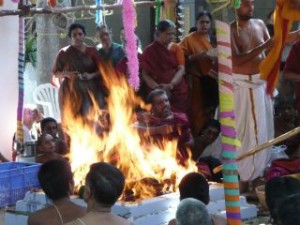 Sri Vidya Havan was celebrated in Ramanashram on Friday 18th March this year. This is a grand fire ceremony puja performed in order to re-consecrate and re-sanctify the Sri Chakra Mehru which was installed by Bhagavan Ramana himself inside the sanctum-
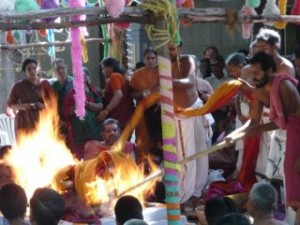 sanctorum of His Mother’s shrine. During the Havan, Sri Vidya or Saraswathi, the goddess of knowledge and wisdom is invoked and worshipped with special rituals and chanting according to ancient vedic doctrines. Towards the culmination of the Havan, silk saris, gold ornaments, money, coconuts and lotus flowers are offered into the sacrificial fire. The fires of the homam then seem to leap up with greater vigour and engulf everyone in a tremendous wave of sacred energy.
Here is an excerpt regarding Bhagavan’s views about the topic of Sri Vidya and Sri Chakra taken from “Letters from Ramanasramam” on 21st May 1947:
 This afternoon, during a conversation regarding old Sankara Vijayam, Bhagavan asked one devotee whether it was not a fact amongst all books on the life of Sankara, Sankara Vijayam of
  Vidyaranya was the best. Bhagavan said with a smile, “Yes, his mental powers were very great. He was a great votary of Sri Vidya, you see. He therefore wanted to create a city in the shape of Sri Chakra and started doing it in Hampi but could not complete it. So he said that an emperor in future would rule the country and would be able to build a city in the shape of a Sri Chakra. When I told Nayana about this while i was on the hill, he made a peculiar comment, namely: ”
  Sri Chakrariti sona saila vapurusham, sri shodasarnatmakam occurs in Arunachala Ashtaka Stotram written by Sri Sankara. Besides this in Arunachala Purana, it is stated that this hill is reputed to be in the shape of Sri Chakra. Hence without searching for it, we have been lucky in getting this place which is in the shape of Sri Chakra. Bhagavan is the Chakravarthi (Emperor) ! If about ten houses are built around the hill, this itself is a great empire. Sankara must have intended this only …
continue reading
-
Ashta Lingams – Isanya Lingam – North-East
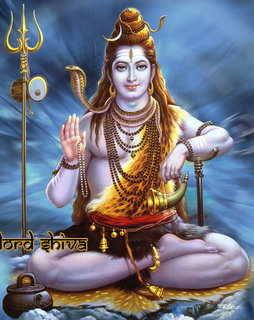
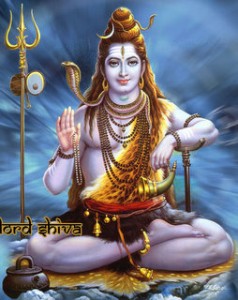 The word Isanyam in tamil means North-East. The Lord of Isanyam is one of the 7 seven Rudras of Shiva. He is described in the puranas as being covered with ashes and surrounded by ghosts, he has matted locks and fierce eyes and is seated on a tiger skin. He holds the crescent moon and the river Ganga in his locks. His body is adorned by coiled serpents. In his hands he holds the mortal drum and the trident of Shiva.
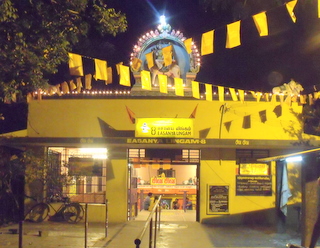
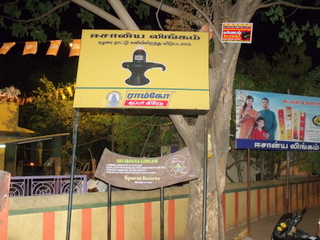
The shrine of Isanya lingam is situated on the old girivalam road to town, beside the main cremation grounds. It is one of the most popular Ashtalingams and apart from the general pilgrims, it has its own group of regular, local devotees who come daily morning
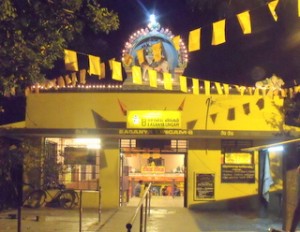 and evening to participate in the pujas and make offerings of flowers and fruits to the deity.
In spite of its sinister location, that of being right beside the crematorium, people are not put off in anyway, and so young and old alike come eagerly at all times to take darshan of Lord Isanya Shiva. The inner sanctum is an underground chamber and after entering the temple one needs to descend a flight of steps which lead to the inner sanctum. This seems to be a special feature of this shrine and it is quite thrilling
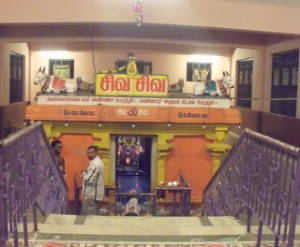 to stand on the threshold and bend your head really low in order to take a glimpse of the deity shining brilliantly deep down inside.
The Lingam itself is huge and very ancient and the alamkaram or the decoration of the Lingam is surpassingly beautiful and takes
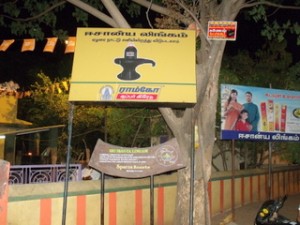 hours and hours of work by the priests who do it daily twice, morning and evening with great devotion and taste. One can stand for hours just gazing at the Lingam and not want to move away, such is the power and beauty of the Lord here! The Isanya lingam by virtue of its location and external aspects stands as a reminder to all of us of who we are in reality and how this body which we falsely deem to be ourselves is nothing but dust and ashes.
continue reading
-
Maha Shivarathri
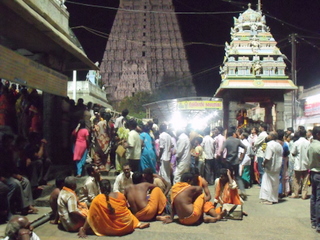
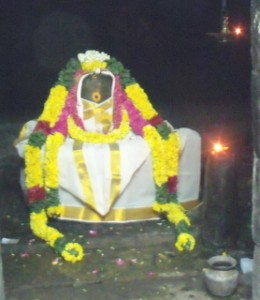 Hundreds of devotees came to Tiruvannamalai to celebrate Maha Shivarathri on the night of 2nd March this year. Maha Shivarathri is a
 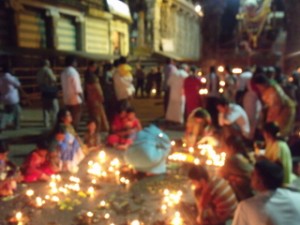 very important and spiritually significant festival that commemorates the legend of Brahma, Vishnu and all the other gods bowing to the supremacy of Lord Shiva who manifests as the infinite column of effulgence, after having earlier humbled the pride of Brahma and Vishnu. At their request, Lord Arunachala out of compassion, takes the form of a Linga and this is known as Lingodbhavamurthy.
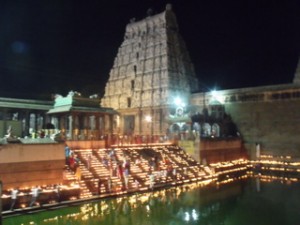 Tiruvannamalai is one of the Pancha Bhootha Sthalams of Lord Shiva where the Lord manifests Himself as the Agni or Fire
  element. Therefore Maha Shivarathri has a special significance here. The Arunachaleswara temple gates open at around 2 in the morning on that day and after the initial abhishekam and puja, laksharchana (chanting the Lord’s name one hundred thousand times) begins and continues till late afternoon. The temple is open the whole night with pujas at three-hourly
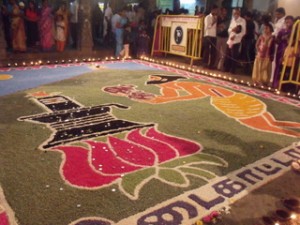
 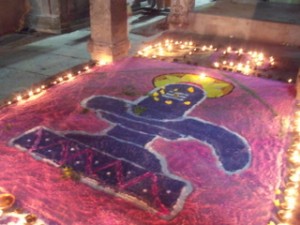 intervals, the first of which is held at six in the evening. This year too, the temple was filled with devotees praising and worshipping
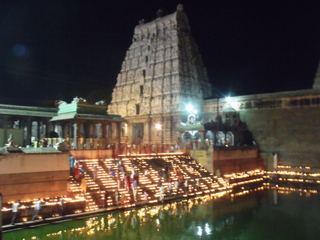
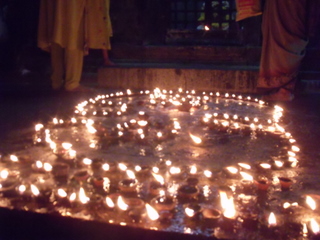
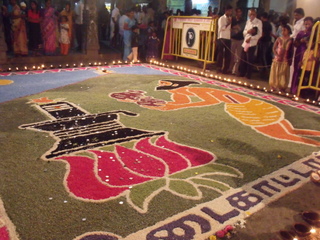
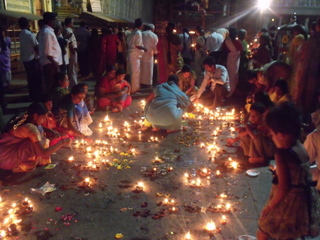
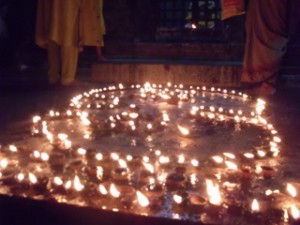
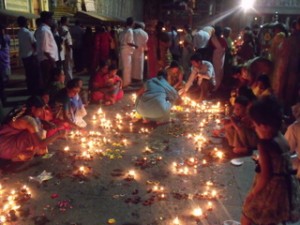
 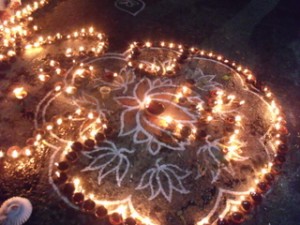 Lord Shiva. Many were engaged in making enormous colourful designs (kolams) on the floors depicting various forms of Shiva. Thousands and thousands of fire lamps were lit everywhere. Every stone vibrated with the tremendous Shiva energy which was descending like an avalanche from the Heavens. Giri Pradakshina
 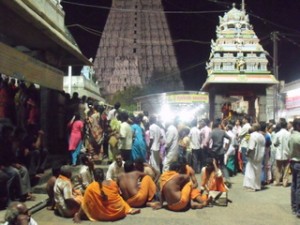 was performed by many all through the night and the Hill of Arunachala radiated with a Divine energy which seemed to engulf everyone and everything.
The true meaning of Maha Shivarathri was expounded by Sri Ramana Maharshi on a Shivarathri night many years ago. When one of the sadhus sitting in the Maharshi’s presence requested him to explain Adi Shankara’s Dakshinamurthi stotra (hymn), He said, “Yes, sit down”. Devotees eagerly awaited to listen to His exposition, but
 Bhagavan maintained his usual posture and a steady silence. The clock ticked by and hours passed. There was a spellbound silence. Everyone present was deeply absorbed within himself. With the break of dawn people began to regain their body consciousness. Bhagavan graciously asked the questioner whether he understood
  now the significance of the hymn. the sadhu and the others nodded and made their grateful obeisance to the Master. Thus the real significance of Shivarathri as demonstrated by Bhagavan Ramana was that, whatever the body might be doing on that day, the mind must merge into its source.
continue reading
-
Girivalam – Anjaneyar temple
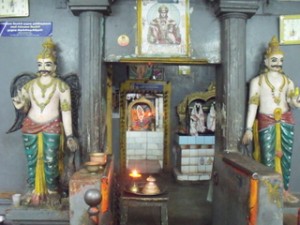
 Anjaneya is the tamil name for Hanuman, the monkey God of power, especially venerated by princes and warriors to gain prowess and victory. Tuesday is his sacred day of worship and his birth anniversary is celebrated as Hanuman Jayanthi. Hanuman or Anjaneya is the son of Vayu, the lord of the Wind and his consort Anjana. In the puranas, he is described as having a short thick neck, a round monkey-face as red as a ruby, yellow skin glowing like molten gold, sharp white fangs, a mane like flowers, a tail like a banner of interminable length, and the ability to expand until he is as large as a mountain or to contract until
  he is as small as a fly. He has a roar like thunder, leaps into the air and flies among the clouds with a rushing noise. This is what the Ramayana says about him: “The Chief of the monkeys is a perfect being. No one can equal him in learning of Shastras and in comprehending the meaning and sense of scriptures. In all sciences and in the rules of austerity, he rivals the preceptor of the gods.” Hanuman is the ninth author of grammar. Hanuman remained celibate his entire life and is known as the greatest devotee of the god Rama, who loved him the best. His devotion to Rama and Sita was
  so great that once he tore open his chest with his sharp talons to show that images of Rama and his wife were engraved upon his beating heart. He is famous for helping Rama destroy Ravana, the ten-headed demon king, and for organizing the building of the monkey bridge from India to Sri Lanka (Ceylon) to facilitate the crossing over of Rama and his warriors.
There are many interesting myths surrounding this god. When quite young, he saw the rising sun and thought it was a ripe fruit. He therefore jumped
 up to it and put the sun in his mouth. The other gods and goddesses feared that the world would perish without the sun and prevailed upon him to spit it out. When Hanuman was only ten years old he could lift huge hills and throw these about as if they were stones. On another occasion, when Hanuman was riding under the mid day sun, his shadow fell on the sea. It was seized by a female sea monster named Surasa, a near relative of the demon-king Ravana, who, in a pre-emptive effort to save her cousin from harm, used it to drag Hanuman down into the waves and swallowed his
  body whole. Trying to escape, Hanuman increased his monkey shape to enormous proportions; the demoness responded by immediately stretching her mouth until it was a hundred leagues wide. Suddenly Hanuman reduced himself to a tiny size. While the monster hesitated in surprise, Hanuman cunningly slipped out of her right ear and made his escape. Hanuman was the greatest and most faithful helper of Lord Rama in the battle with Ravana, the demon king of Sri Lanka and assisted Rama in finally winning back Seetha from the clutches of Ravana.
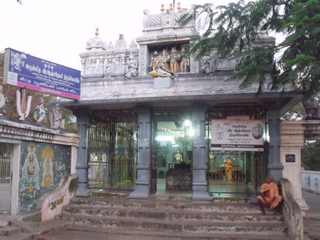
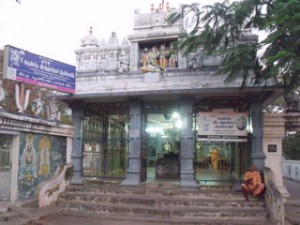
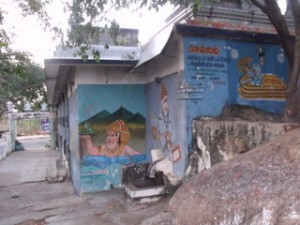
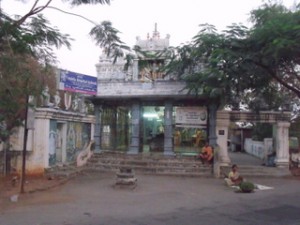 The Anjaneya temple on the Girivalam can be found on the outer path, a few metres after the Tiru Ner Annamalai shrine. Not much
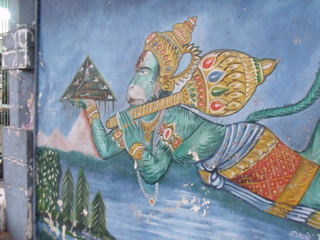
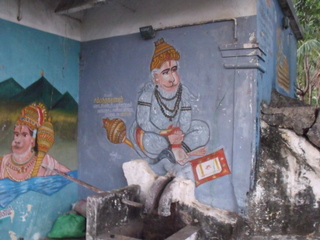
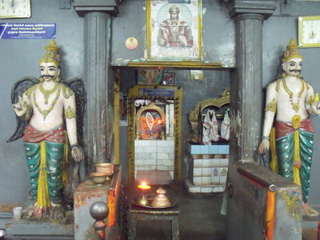
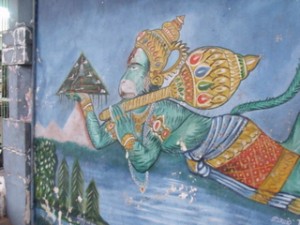
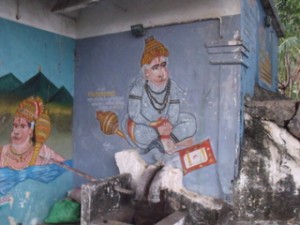
 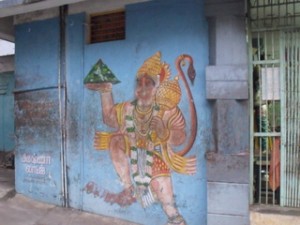 is known as to why a shrine to Hanuman was placed here. The common story is that Hanuman once came to pay obeisance to Arunachala, the Master of All and is believed to have venerated the Hill at this spot. On Saturdays the temple is fairly crowded with Rama and Hanuman devotees and prasad is often prepared and offered to the sadhus there. The outer walls of the temple are covered with frescoes of Hanuman performing different feats and look quite interesting.
continue reading
-
Maasi Magham
Maasi Magham is a very auspicious night and it occurs when the Magham constellation,
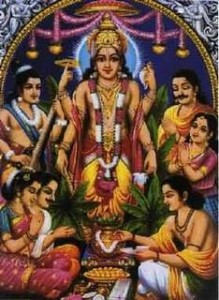 according to vedic astronomy, appears on the full moon night of the tamil month of Maasi (mid-feb to mid-march). Magham is one among the 27 nakshatras in the vedic astrological chart. The Maasi Magham is an ideal time for spiritual purification.The full moon of Maasi Magham is one of the most powerful full moons of the year, since the moon alighs with Magha which is the birth constellation of great kings and rulers. It signifies the descent of divine beings to the earth. It combines the benefits of abundance and prosperity and is also the most appropriate time to destroy our ego and surrender ourselves to the feet of the Divine.
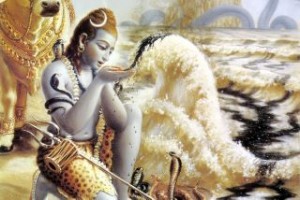 The festival of Maasi Magham is celebrated generally by taking a dip in sacred waters like rivers or oceans for it is believed that the energy of the holy Ganga flows through all sacred waters at this time. In general Maasi Magham is believed to pave our way towards prosperity and a trouble-free, successful and wealthy life of honour! It is also believed to be a great occasion to get rid of the negative effects of karma.
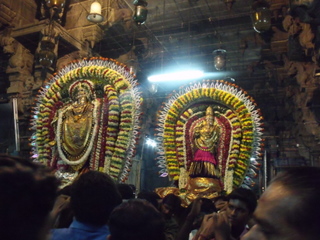
In Tiruvannamalai, this is the day on which Lord Shiva and Goddess Parvathi go to
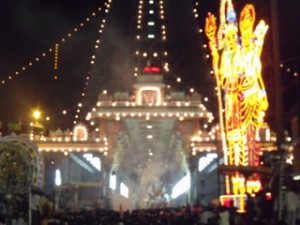 perform the last funeral rites of the erstwhile king Vallala Maharaja. The sacred bath in this case is taken in a little river ‘Sonadi’ which flows through the region. In the morning, the deities of the God and Goddess and that of the Astra deva or the Trident weapon of Shiva are all carried out in procession to the village of Pallikondapattu, about five kms to the east. They are taken to the banks of the river and installed ceremoniously on a pavilion-shrine facing the water. Here awaits a group of fifty people claiming to be descendants of the aforesaid king. A puja is offered to the idol of the Astra deva and the deity is bathed in the waters. The devotees also take a holy dip after this. The Trident is then anointed and decorated with silk and flowers and camphor is burnt in offering.
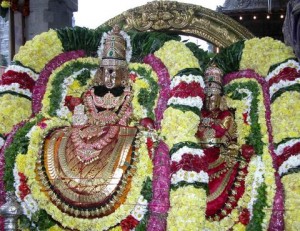 In the afternoon, the deities of Shiva and Parvathi are turned to face the mountain. In front, the priests place two pots representing the divine couple and 8 pots representing the Vidyeshwaras and then kindle a small sacrificial fire in the centre. After this a grand puja involving many abhishekams and aarathi are performed to all the deities. The next day the ceremony which consists of tying a turban around the head of the son of the deceased takes place inside the big temple.The name of this ceremony is ‘thalaikattu’ but in this case since it concerns Shiva, it is called ‘makutabhisheka’ (consecration of crowning). In the absence of a human king in Tiruvannamalai (except during the brief Hoysala period) the sovereignty over this kingdom is thus transferred to Lord Shiva himself. And verily so! For is not Arunachala the majestic and omnipotent ruler of this realm and every realm ?
continue reading
-
Ratha Saptami
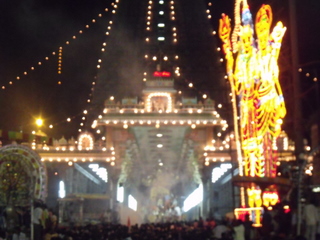
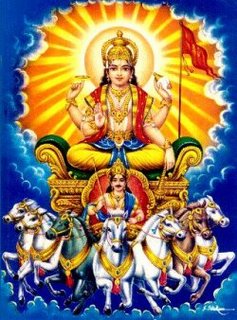
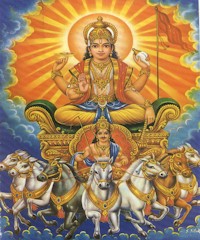
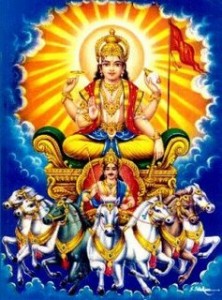 Ratha Saptami literally means the seventh day of the chariot. Here the chariot refers to the chariot of the Sun God which he rides to cross over to the North. Ratha Saptami takes place on the seventh day of the lunar cycle after the New Moon of the tamil month of Thai (mid Jan- mid Feb). Whereas the first day of the month of Thai signifies the passage of the Sun from one direction to the other (South to North), the seventh day, Ratha Saptami is more a lunar reference, which is mainly mythologic, to the mounting of Surya (Sun god) on to his chariot to undertake his northern journey.
In Tiruvannamalai, on Ratha Saptami day, a Tirthavaari (sacred bath of the gods) is
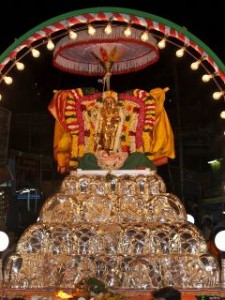
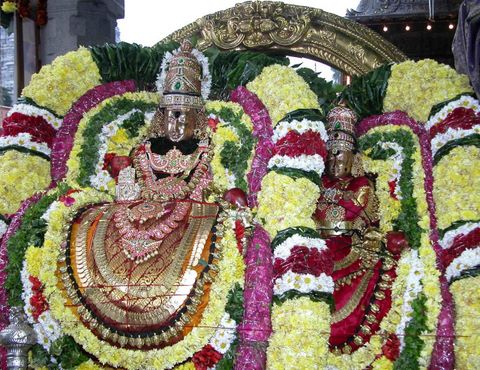
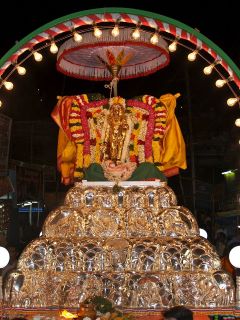
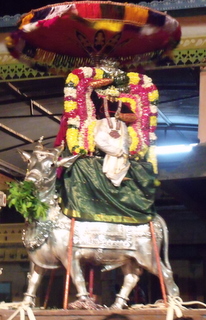
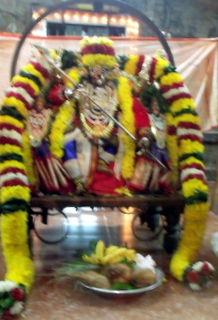
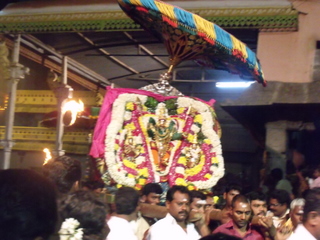
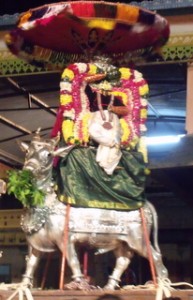 celebrated in Kalasapakkam (a village about 20 kms to the north of Tiruvannamalai) in the river Cheyaru. Early in the morning, after an abhishekam, the deities of Lord Annamalaiyar and his consort Apeethakuchambal are borne to the village and placed on their favorite mount, the Bull (Rishaba vahanam). After a ritual of worship the gods are carried to the banks of the river, Cheyaru. Here awaits a fine reception for them, for the ensemble of the village gods are there to welcome and honour their Lord and Lady. After this, the Astra deva or the Trident weapon of Shiva is taken ceremoniously to the river by the priest and bathed ritualistically in the waters. The
  same ritual is repeated all along the banks of the river accompanied by the crowd of villagers and hailed with loud cries of devotion. Then all the deities are made to dance in wild frenzy by the palanquin bearers who jerk and jiggle the deities borne on their shoulders. This scene ,watched from a distance over the sea of heads of devotees is quite impressive.
The principal part of the festival ends with this ceremony. However, Lord Annamalaiyar seizes the occasion to make a tour of the village also part of his kingdom and grant his darshan to the village devotees who are so dear to his heart. And on this gracious note, he bids goodbye and mounts on his chariot for the return procession back to Tiruvannamalai and the big temple…
continue reading
-
Thai Poosam
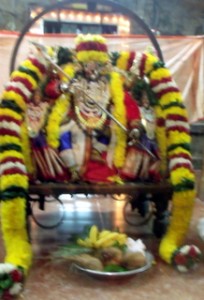 The Thai Poosam festival which falls in the month of Thai (Jan-Feb) during the constellation of Poosam is generally dedicated to God Muruga or Subramanya. However, in Tiruvannamalai, the Thai Poosam and Maasi Magam festivals are connected with the erstwhile king Vallala Maharaja who after being childless received the great blessing (as a fruit of his devotion), of Shiva Himself coming down and becoming his son. Thai Poosam is the date of the death announcement of the king Vallala III who reigned in Tiruvannamalai during the 14th century, the last emperor of the Hoysala dynasty of Karnataka.
In the big temple, the festival begins with a grand abhishekam to Lord Palani Andavar
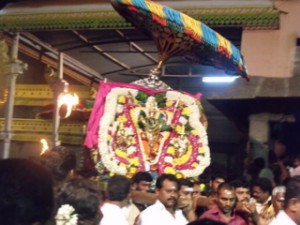 (another name for Muruga) in his shrine in the 4th courtyard and also in the Kambattu Ilayanar shrine in the 5th courtyard. This happens early in the morning. After this, Lord Shiva in the form of Chandrasekara and his consort Goddess Ambal along with the Astra deva or Trident deity come out in procession. After rounding the 4 streets bordering the temple, the procession of gods winds its way to the Isanya Tirtham which is situated in the crematorium at the North-Eastern corner of the town. There the Trident, weapon of Shiva, is bathed and then placed beside the deities of Shiva and Ambal who have meanwhile been installed in the Mourning Pavilion of the grounds.
On the return journey to the Temple, near the statue of Harischandra, (a legendary king
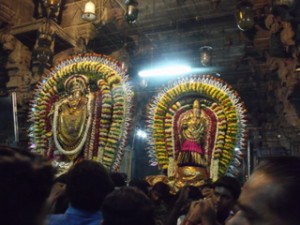 who was tested by Shiva and reduced to serving as crematorium worker) which is often placed at the entrances of crematoriums in Tamil Nadu, a character dressed completely in black robes, the Otran, spy or secret messenger, boldly halts the procession of the gods and hands over a message to the Oduvar or temple singer. The musicians accompanying the procession stop playing their music and in the silence that ensues, the Oduvar reads out loudly the announcement of the death of the king Vallala, murdered by treachery, while in combat with the king of Ottiyam land (Orissa). After hearing this the procession goes back accompanied by the chantings of the Oduvar and the din of the cymbals played by the temple drummers who now play a funeral march.
On the same day as the death announcement of the king, a man from the Vallalar community, Pachai Appa Goundar receives a letter by post, informing him of the death of the king. It says “Pachai Appa Goundar, Alas! you have to weep for your honoured father, the great Vallala Maharaja is no more ! In the house of Pachai Appa goundar from now onwards the members go into mourning and they start to eat talial a meal prepared from curd rice and bananas, only eaten during mourning times.
 When the gods arrive back to the Temple in procession, they stop at the statue of the king Vallala (which is in a niche on the passage bordering the entrance gopuram of the 4th courtyard) and here the king’s statue is bathed, anointed and decorated by a representative from the Vallala community. As the gods approach the entrance pavilion, an Aarathi (waving of lamps and camphor flame) is offered to the gods as well as to the king Vallala’s statue.
We will see the culmination of this historic event at the festival of Maasi Magam later this month during which the last rites for the departed soul of the king are performed by Lord Shiva himself (since it is tradition in India for the son to perform the last rites of his father).
continue reading
-
Girivalam shrines – RajaRajeswari temple
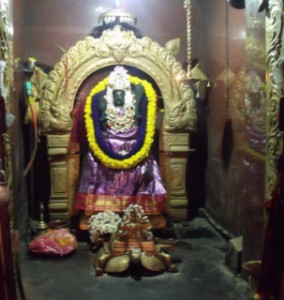 Goddess Shakti is the manifestation of Energy. It is believed that Shakti is the power and energy with which the Universe is created, preserved, destroyed and recreated (by the trinity of Brahma, Vishnu and Shiva). Shakti is worshipped in several forms. As Rajarajeswari or Kamakshi, she is the Universal mother. As Uma or Parvati, she is the gentle consort of Shiva. As Meenakshi – she is the queen of Shiva. As Durga, she rides the tiger, and bears weapons. In the angry and terrifying form of Kali, she destroys and devours all forms of evil. As Kali, she is also the personification of time, her dark form being symbolic of the unknowable future.
The Shakti of the Impersonal Absolute is referred to as Durga in the
 Narayana Upanishad and is qualified as being worthy of worship for the acquisition of
  material gain in this world and spiritual advancement in the next. She is both the Energy which is life itself and the Source into whose depths all living things return. At the time of Kali Yuga, or cosmic dissolution, it is believed that the physically manifested universe will once again withdraw itself into the formless depths of the Goddess, until a new gestation period commences and the cyclic rhythm of creation is once again set into motion.
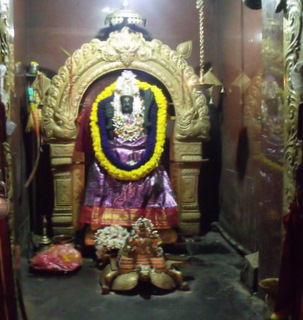
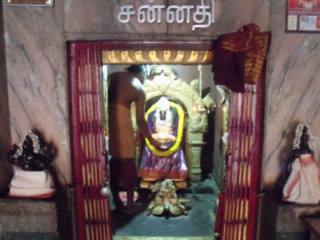
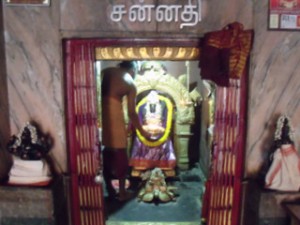
 On the outer Girivalam path, right opposite the Nityananda ashram, there is a relatively new shrine dedicated to Goddess Rajarajeswari, a most powerful form of Shakthi. This temple, albeit new, is drawing huge crowds of devotees almost everyday. Pujas to the Divine mother are performed elaborately every day and on New Moon
 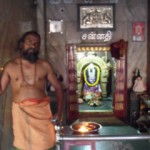 nights the chantings and rituals go well up till 2 o clock at night. A beautiful Sri Chakra Mehru resting on the back of a silver tortoise is a special feature. The deity of the Goddess is in a standing posture and covered with a silver kavasam. Prasad is prepared daily and distributed to all the devotees after the evening puja ritual. According to the priest, the reason for locating the shrine for the Goddess at this spot is because, from this point there is no view of the Karthigai Deepam flame and hence the Shakthi power is supposed to be greater here! Hmmm…
continue reading