Festivals
-
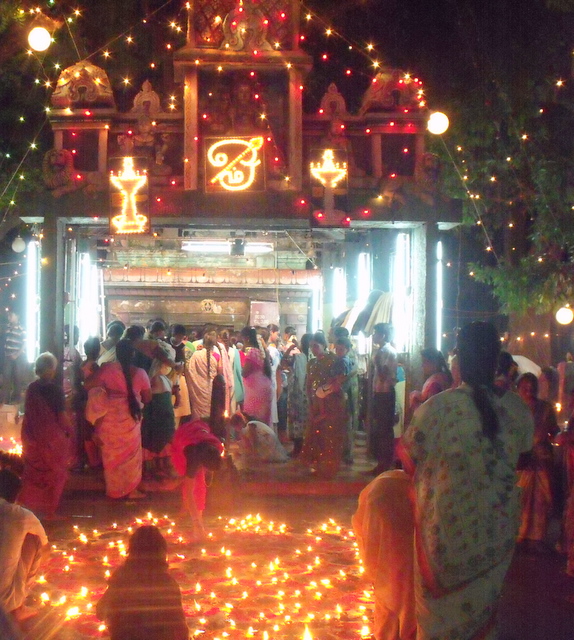
Aani Thirumanjanam
 In the tamil month of Aani (june-july) there takes place the first of the two important festivals dedicated to Lord Nataraja, the second one
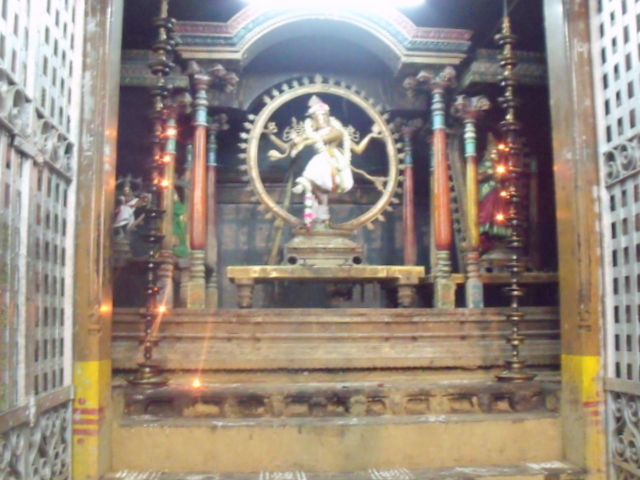
 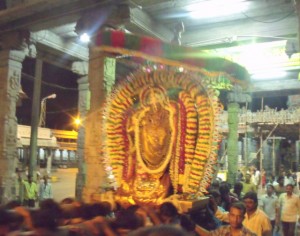 being in December. The Aani Thirumanjanam festival is believed to correspond to the period of ‘between two’ which highlights the transition from day to night, the moment called ‘pradosha’. From this point of view, it would mean to herald the coming of a period of longer nights. Nataraja, the Lord of Dancers is the cosmic form of Lord Shiva (In Sanskrit, Nata means dance and raja means Lord). The ring of fire and light, which circumscribes the entire figure, identifies the field of the Lord’s cosmic dance encompassing the whole universe. The lotus pedestal on which the Lord rests, locates the universe in the heart or consciousness of each person.
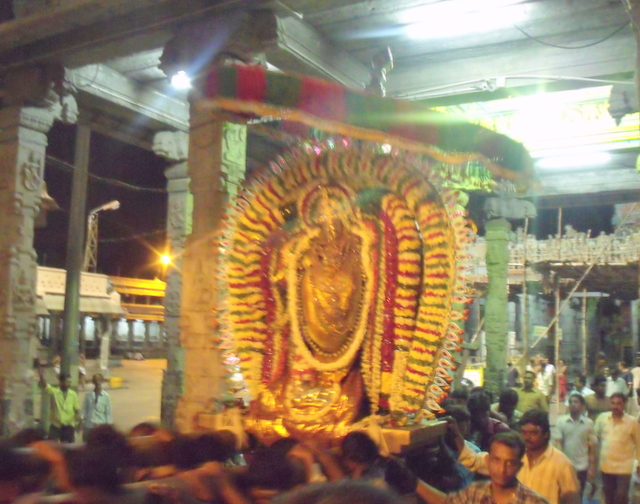
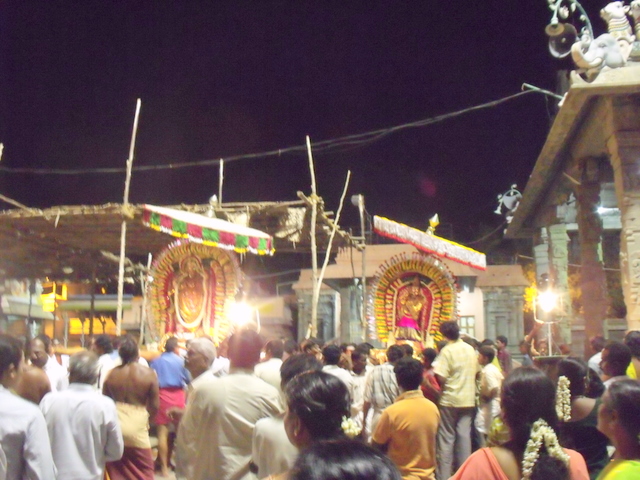
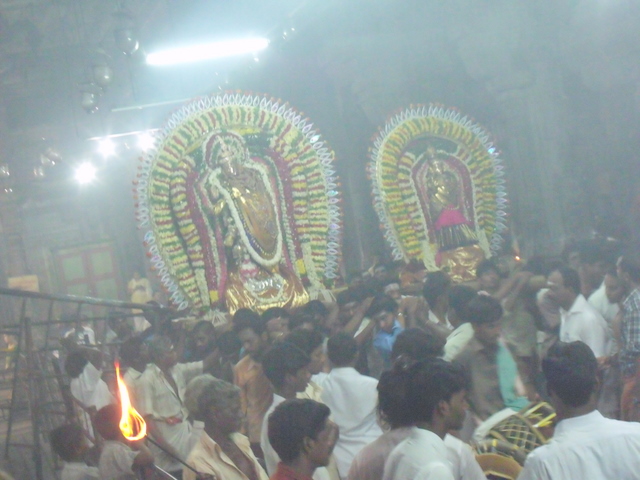
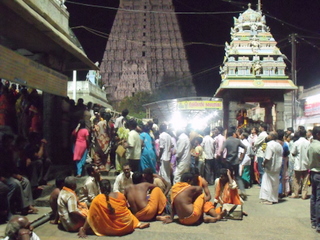
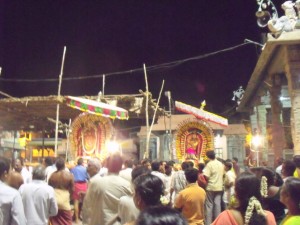 In the big temple of Lord Arunachaleswara, the celebration of the Aani Thirumanjanam festival comprises of the following
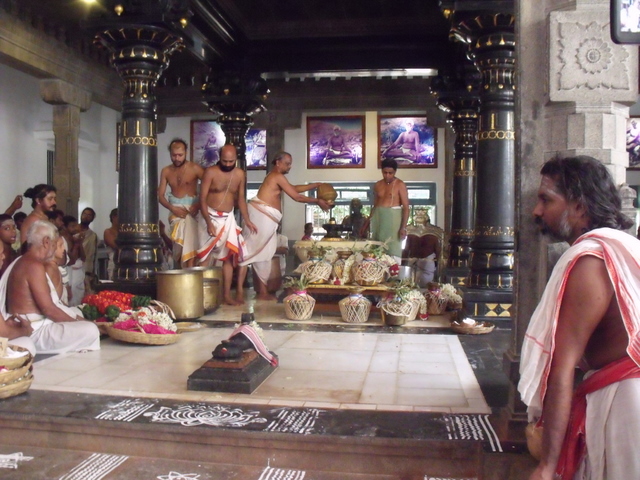
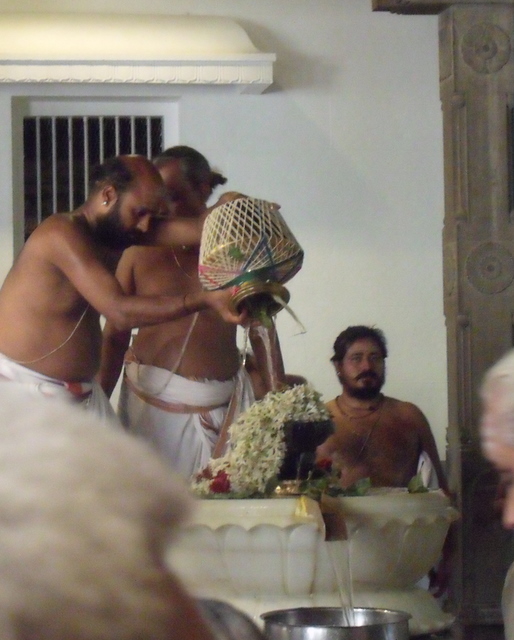
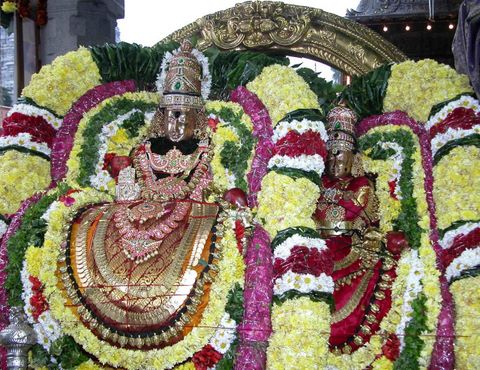
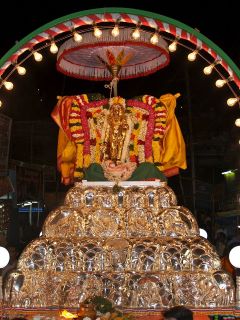
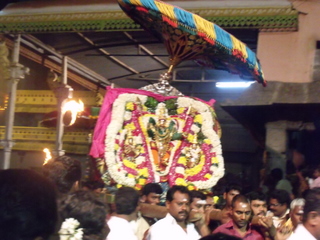
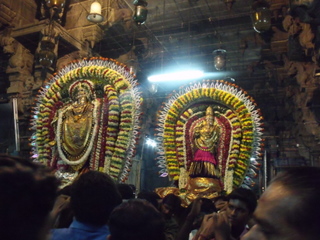
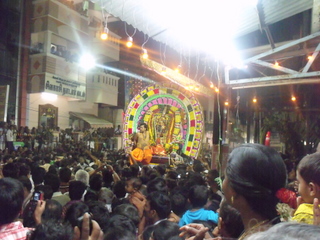
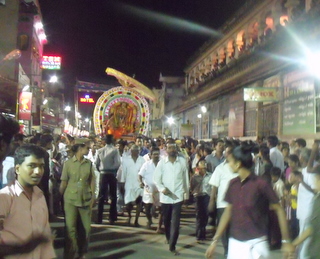
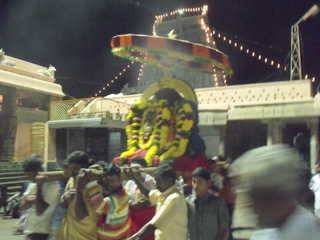
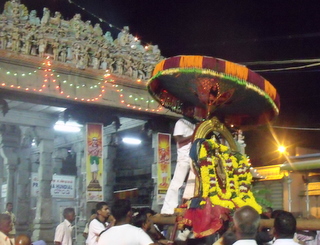
 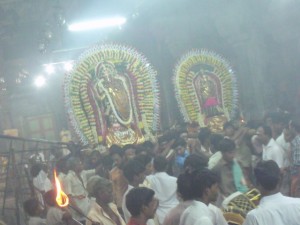 ceremonies: The deities of Lord Nataraja and his consort Goddess Shivakami are worshipped and brought outside of their altar in the main shrine, they are then borne in procession around the firs courtyard and then installed amidst great fanfare in another temporary altar inside the thousand-pillared of the temple. Here the deities are venerated, over a course of a week, with a series of elaborate abhishekams or sacred ablutions followed by karpoora aarathi (waving of camphor flames) and deepaaradhana (waving of lighted lamps).
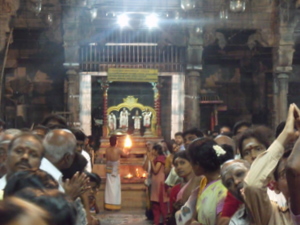 Simultaneously, there takes place another ritual which is called
 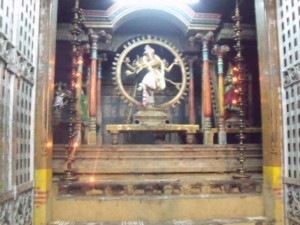 the Arakattu Utsavam. During this ceremony, the three great tamil Saivaite saints are worshipped in their altar which is the one directly opposite the altar of Lord Nataraja in the main shrine. Devotees crane their necks back and forth in order to get darshan of both the ceremonies as they take place and the priest rush from one altar to the other to do the honours correctly to all the deities. It is quite an amusing sight ! The end of the festival is celebrated at night with a grand Abhishekam and Aarathi to the deities after which they are borne back in procession to their altar inside the main shrine.
continue reading
-
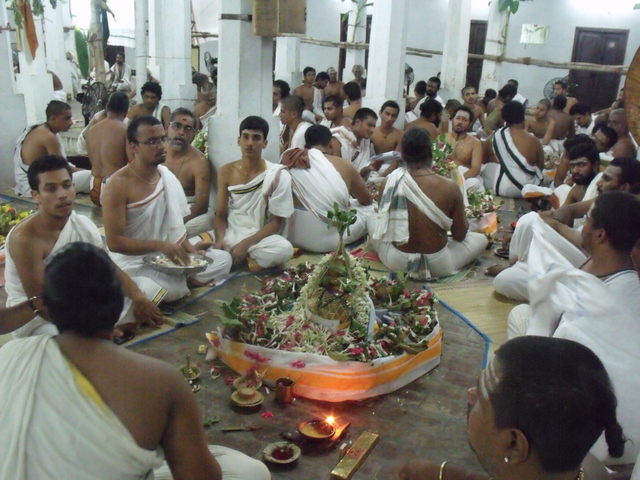
Athi Rudra Maha Yagnam 2011
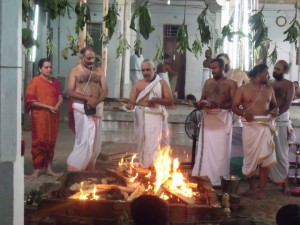 This month, an eminent devotee of Ramanashram
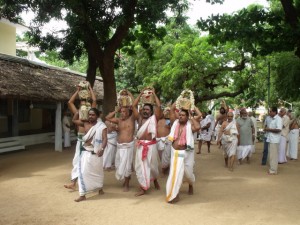
 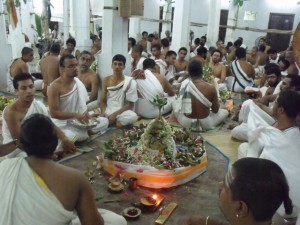 conducted the Athi Rudra Maha Yagnam in Tiruvannamalai. The venue of the Yagnam was the Oye Mantapam on Tiruvoodal street. Hundreds of talented brahmin priests well versed in vedic procedures and rituals took part in and performed this Athi Rudra yagnam with great devotion and power. A tremendous wave of sacred energy was created resultantly and the Mountain Arunachala and Lord Shiva himself seemed to be present at the chantings and listening to the Rudrams with intense pleasure.
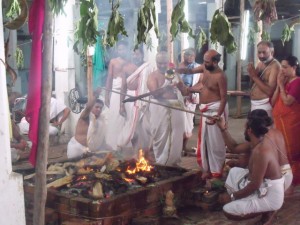 As one is told, the Lord himself is a great fan of the Rudram
  chantings and this is one sure way to draw his interest and attention. Sage Satapatha in his treatise “Maharnava Karma Vipaka” listed four types of Abhisheka procedures compatible with Vedic and scriptural lore. They are Rudram, Ekadasa Rudram, Maha Rudram and Athi Rudram – each being more
  potent than the preceding one. Of these, the most potent form of Athi Rudram. It involves 14641 Rudrams
  (Rudram is a combination of Namakam and Chamakam given in Rudradhyayam in the 5th Prapathakam of the 4th Kanda of Krishna Yajur Veda Samhita). Namaka recited once along with recital of Chamaka once constitutes one Rudram. Recital of 11 Namakas along with one Anuvaka of Chamaka at the end of each Namaka, thus completing one Chamaka constitutes Ekadasa Rudram. Recital of 11 Ekadasa Rudrams is Laghu Rudram or Rudraikadasini. Recital of 11 Laghu Rudrams is one Maha Rudram. Recital of 11 Maha Rudrams is one Athi Rudram. Therefore, in Athi Rudram 14641 Rudrams include 14641 Namakams and 1331 Chamakams.
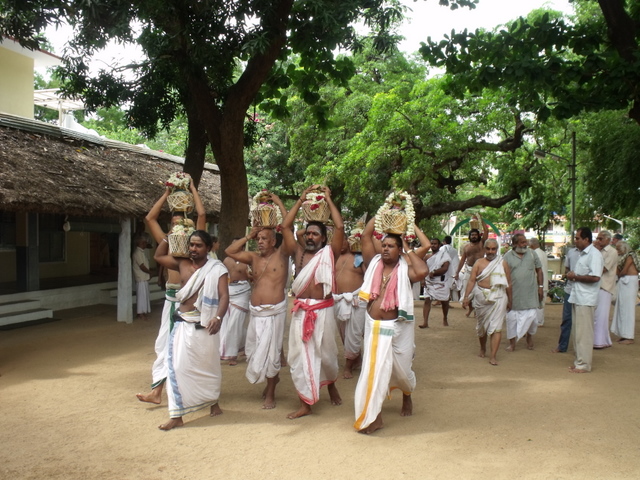
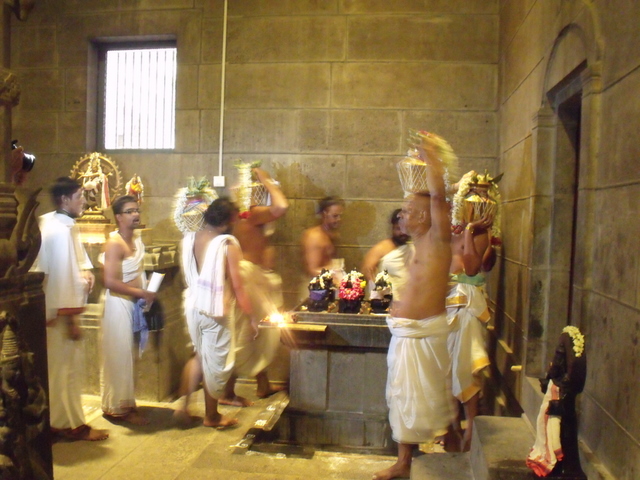
 On the final day, at the culmination of the yagnam, the
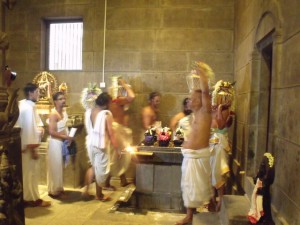
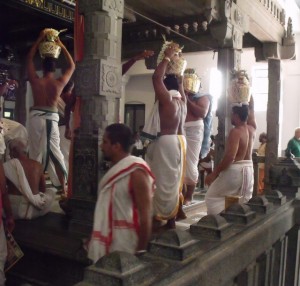
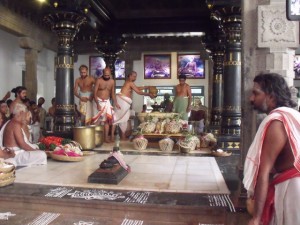
 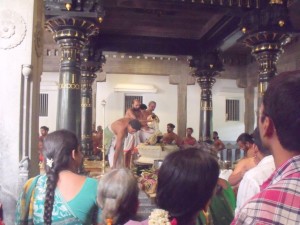 Pooranahruthi was performed and the sacred waters from the yagnam were transported in pots to the Ramanashram premises. Here an elaborate Abhishekam was performed over the Samadhis of Sri Ramana and his mother with the sacred waters. Devotees were caught in a surge of spiritual energy as the
 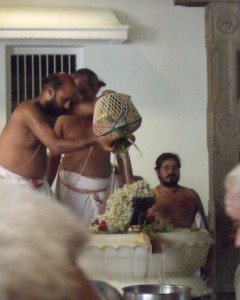 waters came cascading down the Lingams to the accompaniment of the resounding chantings of the Rudrams. This is indeed a rare spectacle and we are fortunate to live in Tiruvannamalai and witness such an ancient and sacred ritual being performed so beautifully according to the vedic tradition and in the holy presence of the Divine Mountain and Bhagavan Ramana.
continue reading
-
Mariamman festival in Adi Annamalai
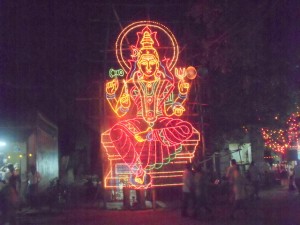 After the one hundred thousand lamp festival a few weeks ago,
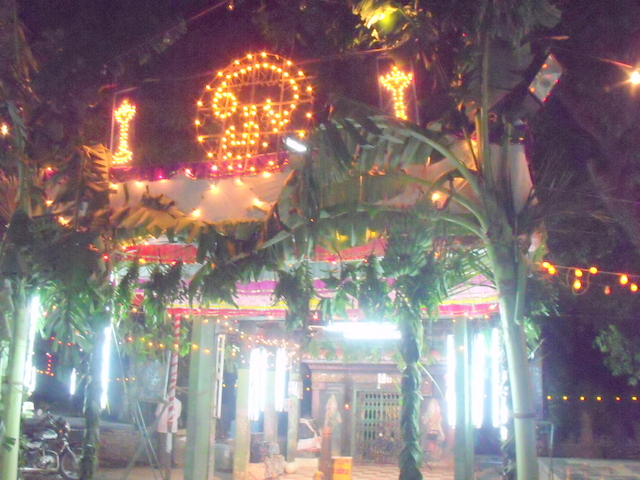
 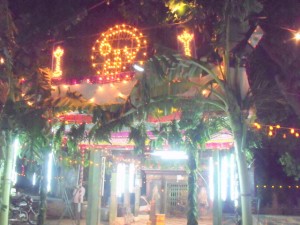 the village of Adi Annamalai on the Girivalam road is once again a venue for yet another festival dedicated to the resident Mother Goddess of the region. The first day of the festival dawns with the ceremony of the Kooluthal meaning distribuition of porridge. Kool or Ragi porridge is prepared in every house and then poured inside the huge temple cauldron and left to ferment overnight. The next morning it is distributed to one and all as prasad.
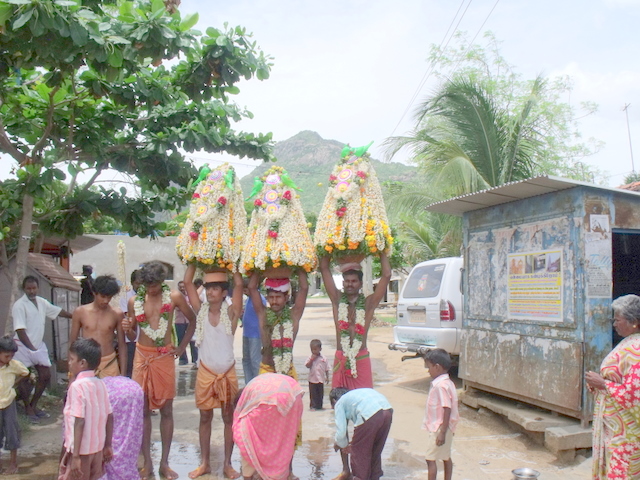
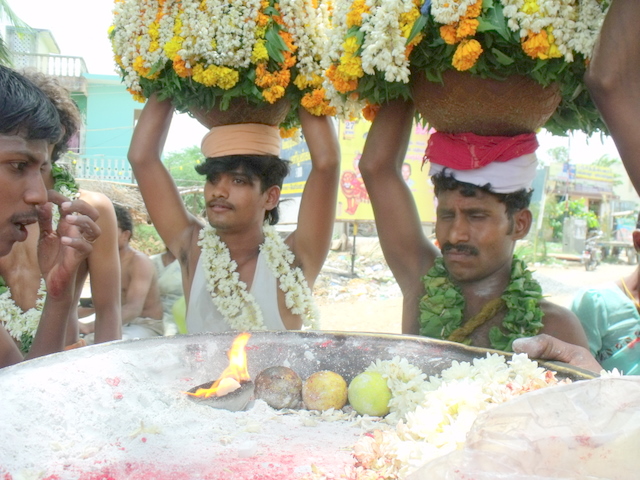
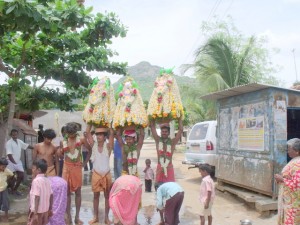
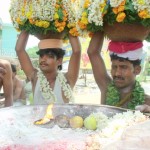
 During the day, there takes place a dance ritual known as Karagattam. In this, a group
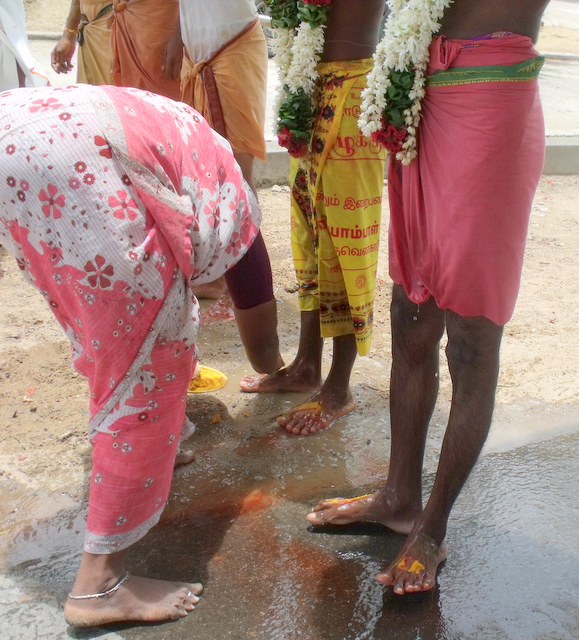
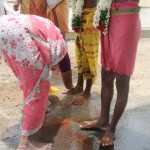
 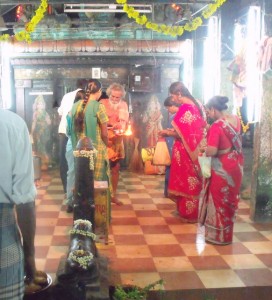 of male dancers with bells tied around their feet and huge decorated pots balanced on their heads go dancing around the streets of the village accompanied by a band of folk musicians. These dancers on this day are believed to be embodiments of the Goddess and they are honoured in each house with women coming out and washing their feet with turmeric water and prostrating themselves on the ground. Camphor arathi is also performed as is the custom for any temple deity.
 In the evening there is a huge abhishekam ceremony performed to
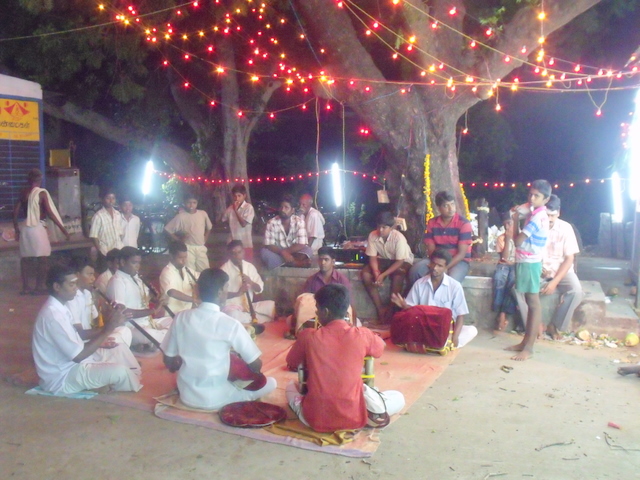
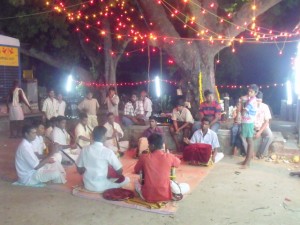
 the Mariamman deity of the local temple. Here the traditional temple musicians with their beautiful nadaswarams and mridangam instruments, sit in a circle on the temple courtyard and play with great devotion throughout the evening, adding to the religious fervour and energy. Devotees throng in large
  numbers to take darshan and also to enjoy the music. Late at night, the Goddess is borne outside in procession and taken through all the streets of the village. The villagers come out, enthralled, to worship Her even at that late hour for it is indeed a rare occasion to receive the Goddess right in front of their houses.
continue reading
-
One Hundred Thousand Deepam festival
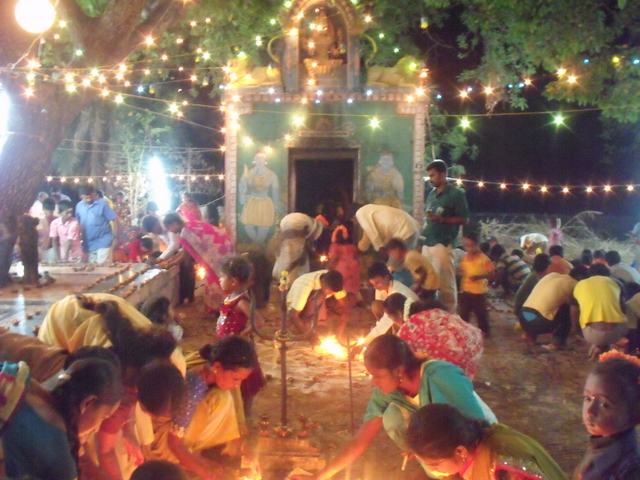
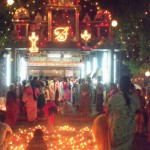 Recently the Renuka Amman temple in Adi Annamalai was the
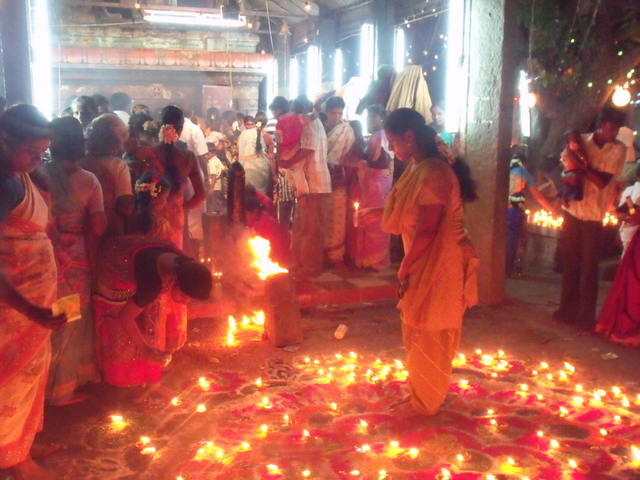
 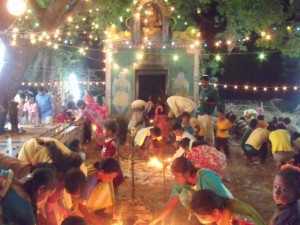 venue for a most spectacular and beautiful festival called the Laksha Deepam festival or the festival of One Hundred Thousand Lamps. This temple can be seen on the left side of the outer girivalam path right as one crosses the village of Adi Annamalai.
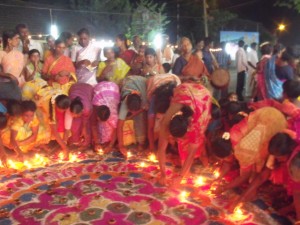 The festival took place on Thursday, April 14th which also happens to be the Tamil New Year. Around
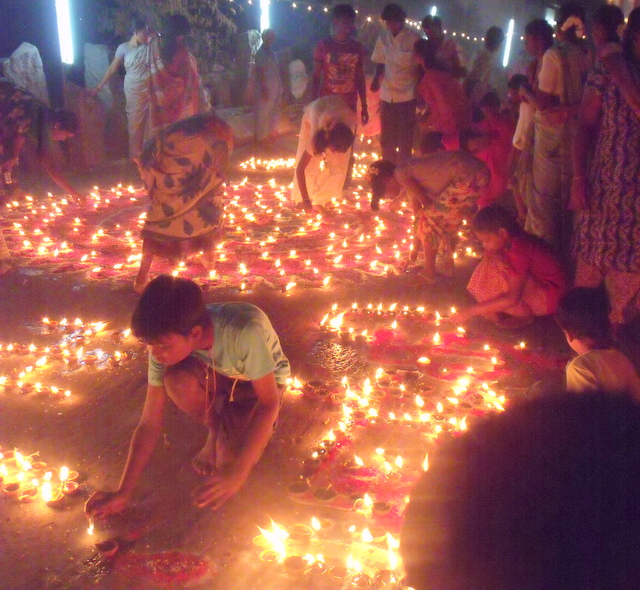
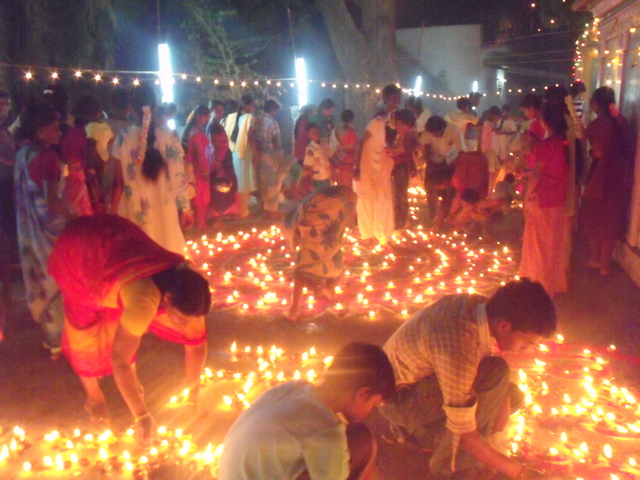
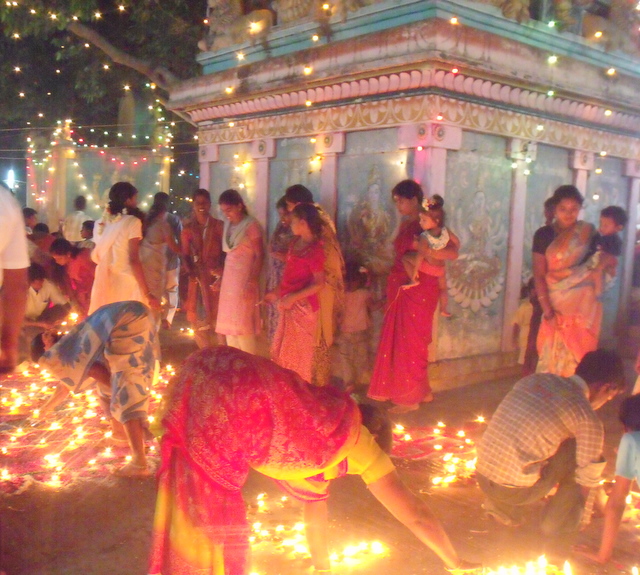
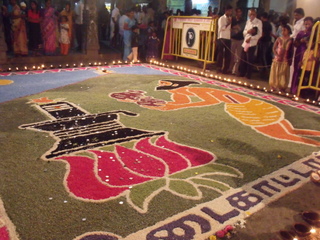
 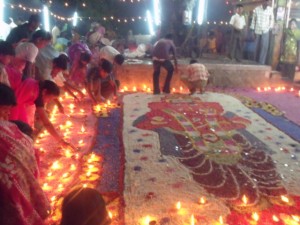 sunset, the temple courtyard was already filled with village people who had come to start drawing the Kolams or sacred designs on the ground. Though not much is known about the antecedents of the festival, it seems to be a way of welcoming the new year and also a ritual to propitiate the Goddess so that the summer would not be too hot and that She would send rain from time to time to cool the parched earth and the people.
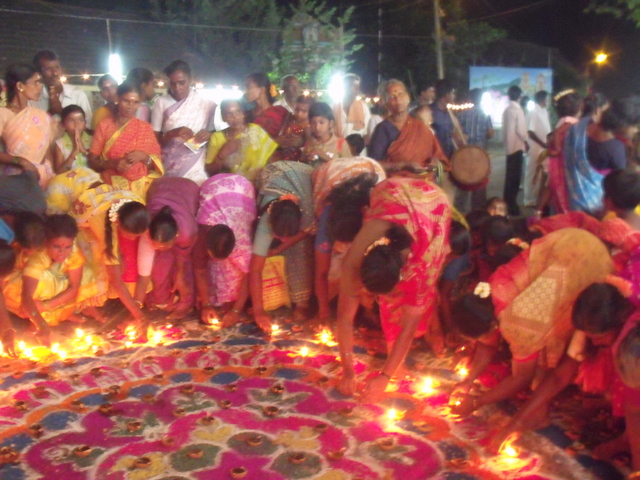
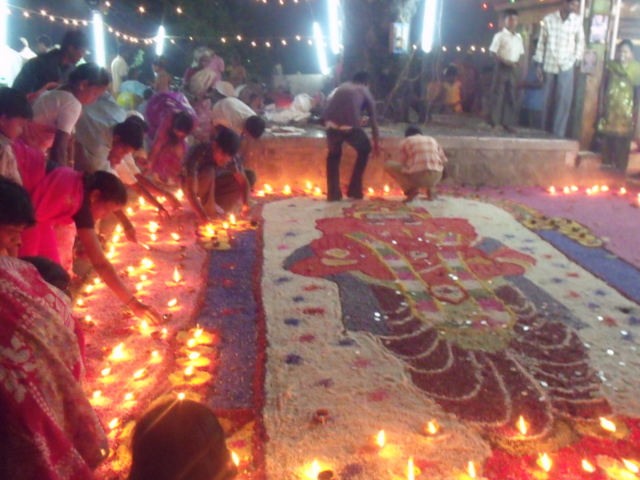
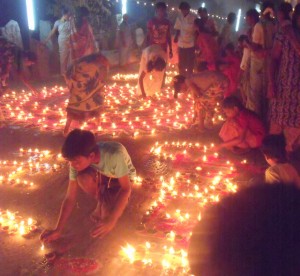 The festival happenings itself are quite simple. First many
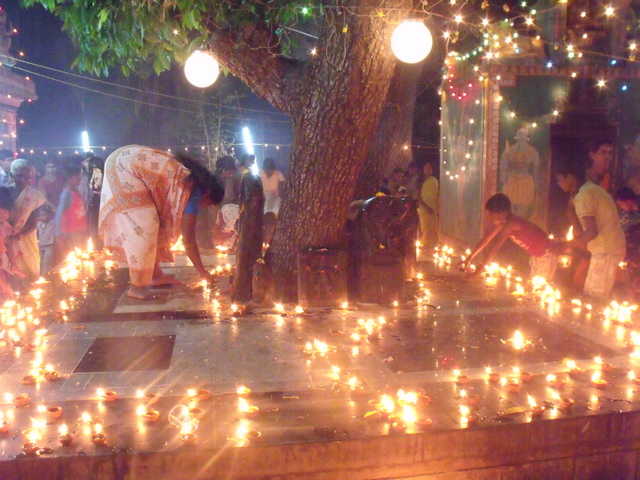
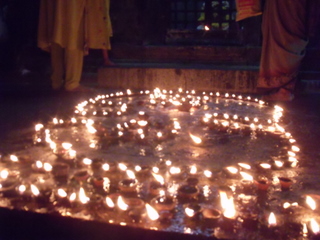
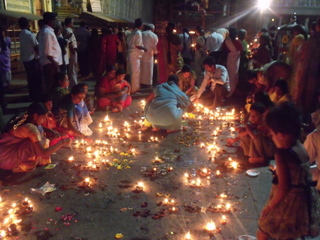
 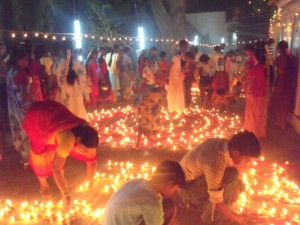 beautiful colourful Kolams are drawn all around the temple and then one hundred thousand clay-oil lamps are placed and lit all over the arena. After this, the Goddes is venerated with a huge abhishekam and then finally brought outside in procession through the streets of the village.
It was really moving to see the rural folk, both men and women,
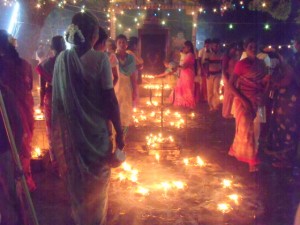
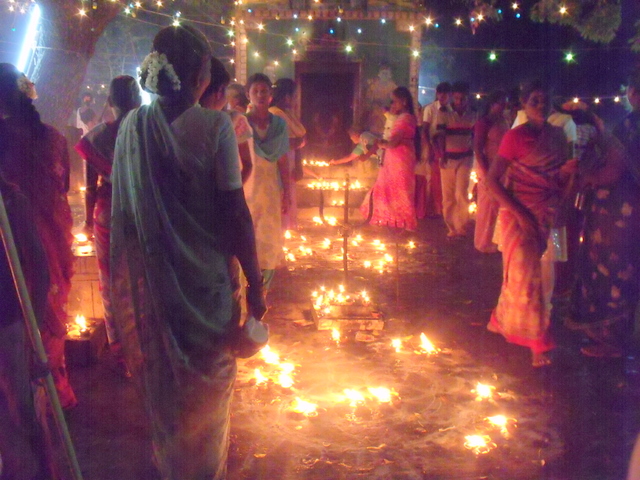
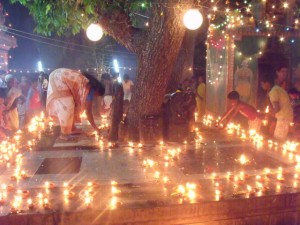 young and old, all dressed in their festive best and participating so enthusiastically in making the Kolams and arranging and lighting the one hundred thousand oil lamps. Many women devotees were singing hymns in praise of the Goddess asking Her for blessings and cool rain during the hot summer. An elaborate Aarthi puja was
 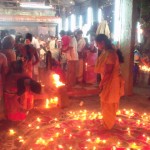 performed after the lighting of the lamps. Later that night, the
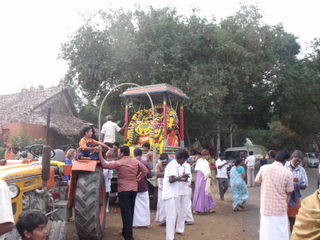
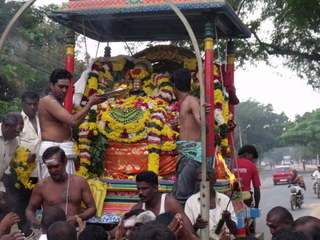
 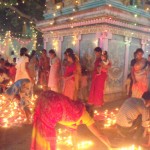 Goddess was beautifully decorated and then raised on a pedestal and placed on a wooden palanquin. She was then borne in procession by many men around the village of Adi Annamalai where the residents of the village honoured Her, made offerings and worshipped her with devotion.
continue reading
-
Maha Shivarathri
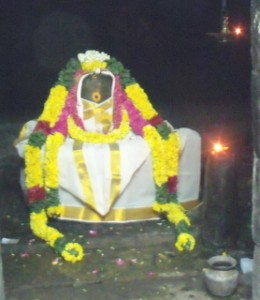 Hundreds of devotees came to Tiruvannamalai to celebrate Maha Shivarathri on the night of 2nd March this year. Maha Shivarathri is a
 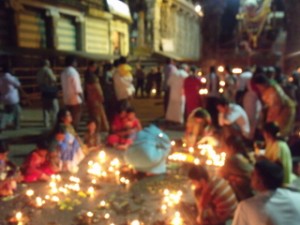 very important and spiritually significant festival that commemorates the legend of Brahma, Vishnu and all the other gods bowing to the supremacy of Lord Shiva who manifests as the infinite column of effulgence, after having earlier humbled the pride of Brahma and Vishnu. At their request, Lord Arunachala out of compassion, takes the form of a Linga and this is known as Lingodbhavamurthy.
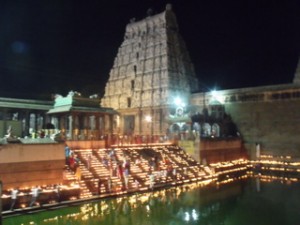 Tiruvannamalai is one of the Pancha Bhootha Sthalams of Lord Shiva where the Lord manifests Himself as the Agni or Fire
 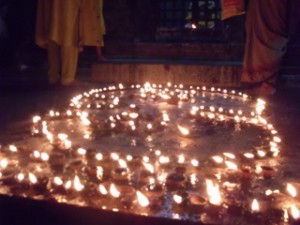 element. Therefore Maha Shivarathri has a special significance here. The Arunachaleswara temple gates open at around 2 in the morning on that day and after the initial abhishekam and puja, laksharchana (chanting the Lord’s name one hundred thousand times) begins and continues till late afternoon. The temple is open the whole night with pujas at three-hourly
 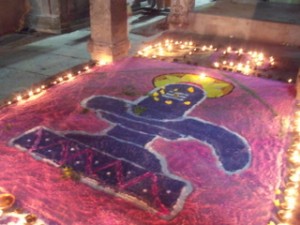 intervals, the first of which is held at six in the evening. This year too, the temple was filled with devotees praising and worshipping
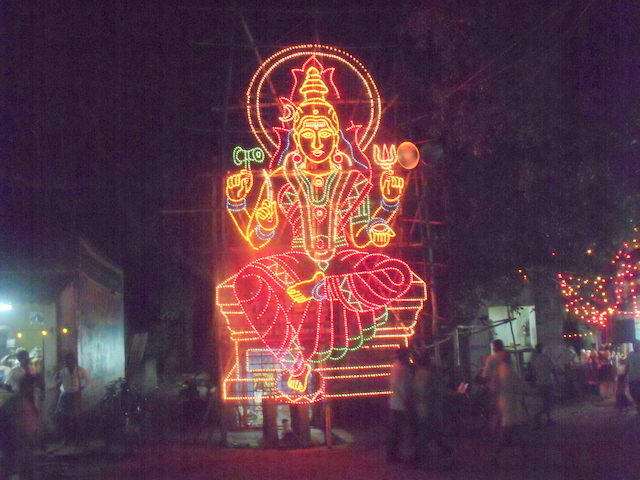
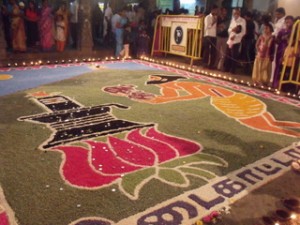
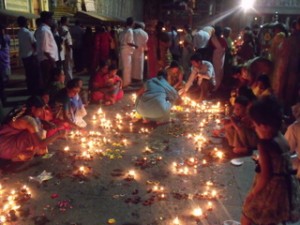
 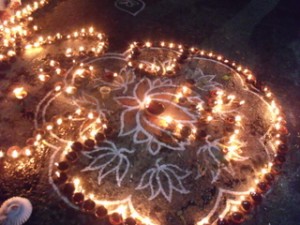 Lord Shiva. Many were engaged in making enormous colourful designs (kolams) on the floors depicting various forms of Shiva. Thousands and thousands of fire lamps were lit everywhere. Every stone vibrated with the tremendous Shiva energy which was descending like an avalanche from the Heavens. Giri Pradakshina
 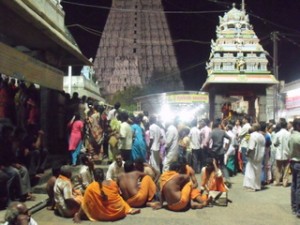 was performed by many all through the night and the Hill of Arunachala radiated with a Divine energy which seemed to engulf everyone and everything.
The true meaning of Maha Shivarathri was expounded by Sri Ramana Maharshi on a Shivarathri night many years ago. When one of the sadhus sitting in the Maharshi’s presence requested him to explain Adi Shankara’s Dakshinamurthi stotra (hymn), He said, “Yes, sit down”. Devotees eagerly awaited to listen to His exposition, but
 Bhagavan maintained his usual posture and a steady silence. The clock ticked by and hours passed. There was a spellbound silence. Everyone present was deeply absorbed within himself. With the break of dawn people began to regain their body consciousness. Bhagavan graciously asked the questioner whether he understood
  now the significance of the hymn. the sadhu and the others nodded and made their grateful obeisance to the Master. Thus the real significance of Shivarathri as demonstrated by Bhagavan Ramana was that, whatever the body might be doing on that day, the mind must merge into its source.
continue reading
-
Maasi Magham
Maasi Magham is a very auspicious night and it occurs when the Magham constellation,
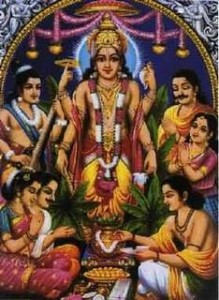 according to vedic astronomy, appears on the full moon night of the tamil month of Maasi (mid-feb to mid-march). Magham is one among the 27 nakshatras in the vedic astrological chart. The Maasi Magham is an ideal time for spiritual purification.The full moon of Maasi Magham is one of the most powerful full moons of the year, since the moon alighs with Magha which is the birth constellation of great kings and rulers. It signifies the descent of divine beings to the earth. It combines the benefits of abundance and prosperity and is also the most appropriate time to destroy our ego and surrender ourselves to the feet of the Divine.
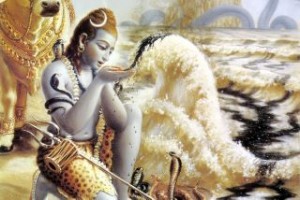 The festival of Maasi Magham is celebrated generally by taking a dip in sacred waters like rivers or oceans for it is believed that the energy of the holy Ganga flows through all sacred waters at this time. In general Maasi Magham is believed to pave our way towards prosperity and a trouble-free, successful and wealthy life of honour! It is also believed to be a great occasion to get rid of the negative effects of karma.
In Tiruvannamalai, this is the day on which Lord Shiva and Goddess Parvathi go to
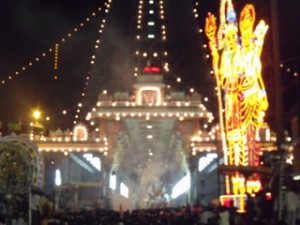 perform the last funeral rites of the erstwhile king Vallala Maharaja. The sacred bath in this case is taken in a little river ‘Sonadi’ which flows through the region. In the morning, the deities of the God and Goddess and that of the Astra deva or the Trident weapon of Shiva are all carried out in procession to the village of Pallikondapattu, about five kms to the east. They are taken to the banks of the river and installed ceremoniously on a pavilion-shrine facing the water. Here awaits a group of fifty people claiming to be descendants of the aforesaid king. A puja is offered to the idol of the Astra deva and the deity is bathed in the waters. The devotees also take a holy dip after this. The Trident is then anointed and decorated with silk and flowers and camphor is burnt in offering.
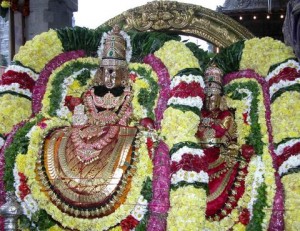 In the afternoon, the deities of Shiva and Parvathi are turned to face the mountain. In front, the priests place two pots representing the divine couple and 8 pots representing the Vidyeshwaras and then kindle a small sacrificial fire in the centre. After this a grand puja involving many abhishekams and aarathi are performed to all the deities. The next day the ceremony which consists of tying a turban around the head of the son of the deceased takes place inside the big temple.The name of this ceremony is ‘thalaikattu’ but in this case since it concerns Shiva, it is called ‘makutabhisheka’ (consecration of crowning). In the absence of a human king in Tiruvannamalai (except during the brief Hoysala period) the sovereignty over this kingdom is thus transferred to Lord Shiva himself. And verily so! For is not Arunachala the majestic and omnipotent ruler of this realm and every realm ?
continue reading
-
Ratha Saptami
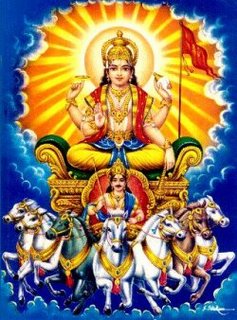
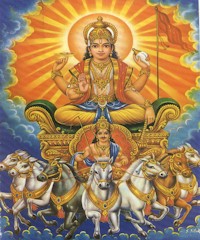
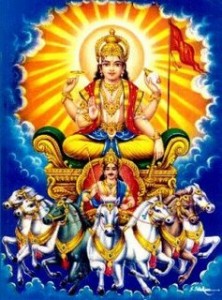 Ratha Saptami literally means the seventh day of the chariot. Here the chariot refers to the chariot of the Sun God which he rides to cross over to the North. Ratha Saptami takes place on the seventh day of the lunar cycle after the New Moon of the tamil month of Thai (mid Jan- mid Feb). Whereas the first day of the month of Thai signifies the passage of the Sun from one direction to the other (South to North), the seventh day, Ratha Saptami is more a lunar reference, which is mainly mythologic, to the mounting of Surya (Sun god) on to his chariot to undertake his northern journey.
In Tiruvannamalai, on Ratha Saptami day, a Tirthavaari (sacred bath of the gods) is
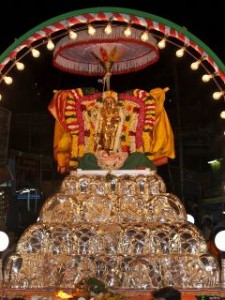
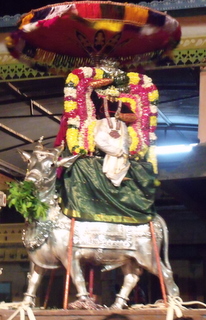
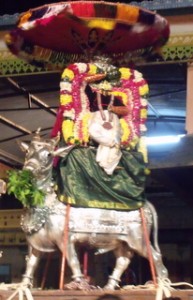 celebrated in Kalasapakkam (a village about 20 kms to the north of Tiruvannamalai) in the river Cheyaru. Early in the morning, after an abhishekam, the deities of Lord Annamalaiyar and his consort Apeethakuchambal are borne to the village and placed on their favorite mount, the Bull (Rishaba vahanam). After a ritual of worship the gods are carried to the banks of the river, Cheyaru. Here awaits a fine reception for them, for the ensemble of the village gods are there to welcome and honour their Lord and Lady. After this, the Astra deva or the Trident weapon of Shiva is taken ceremoniously to the river by the priest and bathed ritualistically in the waters. The
  same ritual is repeated all along the banks of the river accompanied by the crowd of villagers and hailed with loud cries of devotion. Then all the deities are made to dance in wild frenzy by the palanquin bearers who jerk and jiggle the deities borne on their shoulders. This scene ,watched from a distance over the sea of heads of devotees is quite impressive.
The principal part of the festival ends with this ceremony. However, Lord Annamalaiyar seizes the occasion to make a tour of the village also part of his kingdom and grant his darshan to the village devotees who are so dear to his heart. And on this gracious note, he bids goodbye and mounts on his chariot for the return procession back to Tiruvannamalai and the big temple…
continue reading
-
Thai Poosam
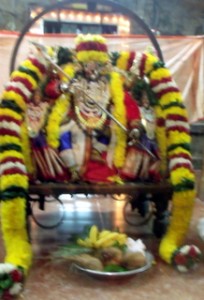 The Thai Poosam festival which falls in the month of Thai (Jan-Feb) during the constellation of Poosam is generally dedicated to God Muruga or Subramanya. However, in Tiruvannamalai, the Thai Poosam and Maasi Magam festivals are connected with the erstwhile king Vallala Maharaja who after being childless received the great blessing (as a fruit of his devotion), of Shiva Himself coming down and becoming his son. Thai Poosam is the date of the death announcement of the king Vallala III who reigned in Tiruvannamalai during the 14th century, the last emperor of the Hoysala dynasty of Karnataka.
In the big temple, the festival begins with a grand abhishekam to Lord Palani Andavar
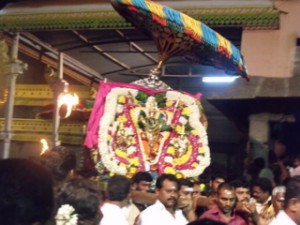 (another name for Muruga) in his shrine in the 4th courtyard and also in the Kambattu Ilayanar shrine in the 5th courtyard. This happens early in the morning. After this, Lord Shiva in the form of Chandrasekara and his consort Goddess Ambal along with the Astra deva or Trident deity come out in procession. After rounding the 4 streets bordering the temple, the procession of gods winds its way to the Isanya Tirtham which is situated in the crematorium at the North-Eastern corner of the town. There the Trident, weapon of Shiva, is bathed and then placed beside the deities of Shiva and Ambal who have meanwhile been installed in the Mourning Pavilion of the grounds.
On the return journey to the Temple, near the statue of Harischandra, (a legendary king
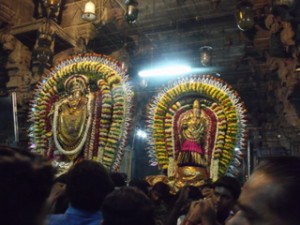 who was tested by Shiva and reduced to serving as crematorium worker) which is often placed at the entrances of crematoriums in Tamil Nadu, a character dressed completely in black robes, the Otran, spy or secret messenger, boldly halts the procession of the gods and hands over a message to the Oduvar or temple singer. The musicians accompanying the procession stop playing their music and in the silence that ensues, the Oduvar reads out loudly the announcement of the death of the king Vallala, murdered by treachery, while in combat with the king of Ottiyam land (Orissa). After hearing this the procession goes back accompanied by the chantings of the Oduvar and the din of the cymbals played by the temple drummers who now play a funeral march.
On the same day as the death announcement of the king, a man from the Vallalar community, Pachai Appa Goundar receives a letter by post, informing him of the death of the king. It says “Pachai Appa Goundar, Alas! you have to weep for your honoured father, the great Vallala Maharaja is no more ! In the house of Pachai Appa goundar from now onwards the members go into mourning and they start to eat talial a meal prepared from curd rice and bananas, only eaten during mourning times.
 When the gods arrive back to the Temple in procession, they stop at the statue of the king Vallala (which is in a niche on the passage bordering the entrance gopuram of the 4th courtyard) and here the king’s statue is bathed, anointed and decorated by a representative from the Vallala community. As the gods approach the entrance pavilion, an Aarathi (waving of lamps and camphor flame) is offered to the gods as well as to the king Vallala’s statue.
We will see the culmination of this historic event at the festival of Maasi Magam later this month during which the last rites for the departed soul of the king are performed by Lord Shiva himself (since it is tradition in India for the son to perform the last rites of his father).
continue reading
-
Tiruvoodal – the Divine Quarrel
As the name itself signifies, Tiruvoodal is the quarrel between Lord Shiva and Goddess
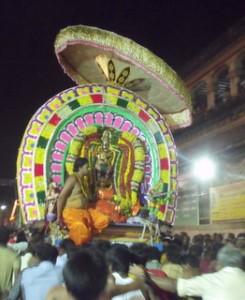 Parvathi and it is celebrated particularly in Tiruvannamalai during the month of January, the 2nd day after Pongal. In fact there is a whole street close to the temple called ‘Tiruvoodal street’ where the main part of the festival, the quarrel itself, is enacted.
The Divine quarrel revolves around the time when one day Parvathi playfully closes the eyes of her august husband, Lord Shiva, with her hands. Utter chaos ensues. The whole universe is plunged in darkness and what was just a moment of play to Parvathi causes countless years of darkness and misery on the universe. Lord Shiva, enraged by this act of folly, punishes Parvathi which sends Her to Kanchipuram to do Tapas where She receives the assurance that after she kills the buffalo-demon Mahishasura on
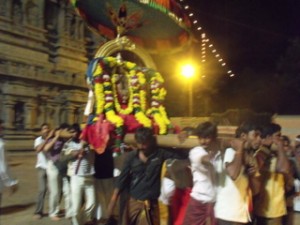 the slopes of Arunachala, She would subsequently regain the favour of her Lord and be united with Him in the left half of His body (Ardhanaariswara) and this is what is realised on the day of Karthigai Deepam.
It would seem that the Tiruvoodal festival is celebrated in Tiruvannamalai in order to commemorate the time when Shiva and Parvathi were in discordance. Nevertheless, it finishes with the divine union and brings them both back together in harmony. On the first day, there are three
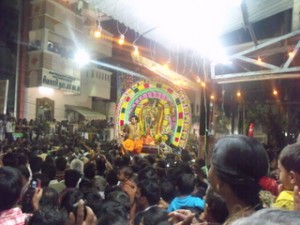 processions of the deities starting from the big temple and going on the four streets around the temple. The Utsava Murthis are Sri Mula Nayakar (Shiva in the form of Somaskanda), Tani Ambal (the independent goddess) and Sundaramurthi Nayanar (one of the main tamil saivaite saints).
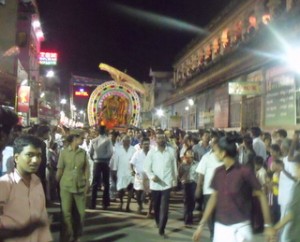 The most interesting part of the festival takes place in the evening on Tiruvoodal street. During this part, the quarrel between Shiva and His consort, Parvathi, is enacted in public on the streets and witnessed by a large gathering of devotees who are assembled there eagerly to watch the divine drama. The God and the Goddess are brought on palanquins from opposite ends of the street and then borne down to face each other. The narrative of the quarrel is chanted by an Oduvar (temple singer) in tamil lyrics. After this ensues a
 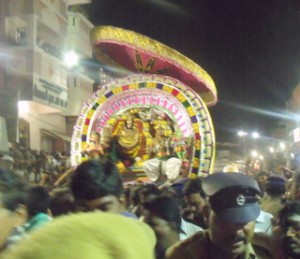 dramatic dancing procession. Six times the God and the Goddess are borne down at a great speed and then meet in the centre and
 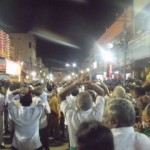 have their quarrel. This is played out by the palanquin bearrers jumping and shaking the palanquin up and down, which makes it appear as if the deity inside is jumping up and down in a fit of rage. The temple musicians play their drums in fitting accompaniment, adding to the frenzied rantings of the gods as they are shouting at each other. After each quarrel-dance, the deities change sides and each goes off in the opposite direction from which he or she came initially. The crowds of devotees are hysterical with excitement and after each dance-quarrel, the tension mounts and so do the loud cries of fervor and devotion which increase in volume and fury.
The next day, Shiva is up at dawn and leaves on Giripradakshina during which he makes
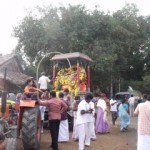 a halt at the Vedarpari mandapam where his jewels are supposedly stolen and later on he also grants salvation to his ardent devotee Kannappa. This is the reason for the Kannappa temple on that location. Shiva also grants darshan to another of his devotees the great rishi ‘Bhringi’ during this trip. Shiva eventually completes his giri pradakshina and returns to the temple in the afternoon where he enters, dancing the dance of the Swan (Hamsa Natanam). The bearers of the palanquins have a special technique to execute this dance and it causes a type of swaying, continuous oscillation of the deity without losing balance, quite a fascinating sight!
Now a ritual takes place in the southern area of the temple which covers directly the
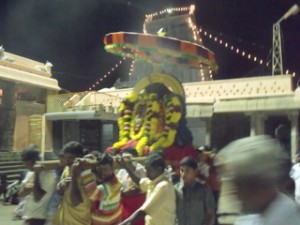 sanctum sanctorum. Sundaramurthi Nayanar first goes to warn the Goddess about the return of Shiva. Of course, She, being curious, leaves Her door open so that She can have a glimpse of the dancing arrival of Her Lord. On seeing this spectacle, however, She is so dazzled by her Lord’s beauty and splendour as He arrives
 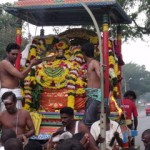 majestically doing His swan-dance, that She submits to Him and wishes to be re-united. Thus the reconciliation and reunion of the gods take place and to synchronise this, both the deities are brought together and placed on the same pedestal and the priests perform an Arathi puja waving and encircling one flame around both of the deities to signify the restoration of harmony.
continue reading
-
Pongal and Uttarayanam
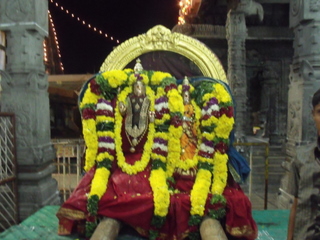 In India, the 15th of January is the day of the winter solstice (Uttarayanam) and this day is celebrated as the Pongal festival in Tamil Nadu. Pongal is essentially the harvest festival for the farmers but it is also a festival venerating the Sun God.The next day after Pongal is celebrated as the cow festival and all the cattle, both cows and bullocks are honoured on this day. In
 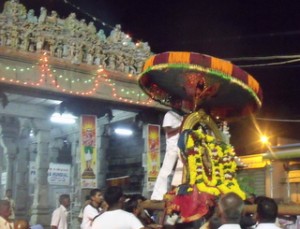 Tiruvannamalai, the Pongal festival has a special significance because Arunachala is believed to have subdued the Sun’s arrogance at one time. In lieu of this, the Sun God is believed to pay obeisance to Arunachala twice a year on the days of the winter and summer solistices. In the big temple of Arunachaleswara, there is a remarkable procession and abhishekam to commemorate this event, early in the morning of 16th January.
 In the Ramanashram, even from the days of Bhagavan, Pongal has
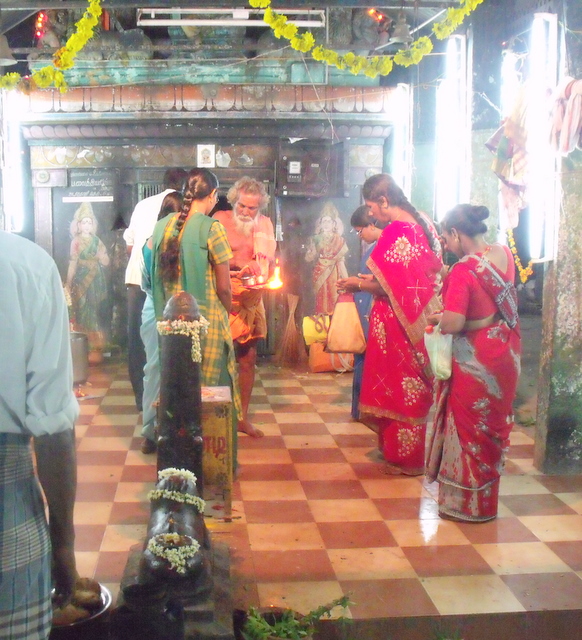
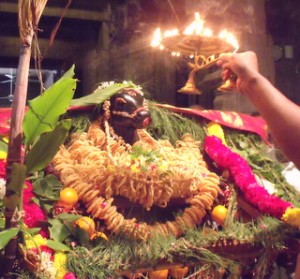
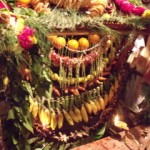
  always been celebrated well. Sri Ramana was very fond of the cow Lakshmi and He used to feed sweet pongal to Lakshmi with his own hands on Cow Pongal day. This year, on Cow Pongal day, there were three special events in the Ramanashram. First the Nandi (bull mount of Shiva) in the Mother’s shrine was decorated in a spectacular way. He was adorned with garlands of vegetables, fruits, sugarcane, grass, flowers. Vadais and other tasty sweetmeats. Then an elaborate Aarathi puja was performed by the priests with devotees looking on in rapt attention. The next event took place at the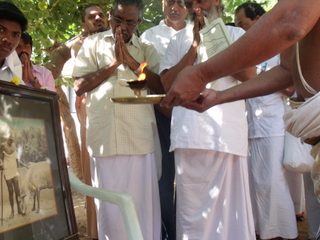
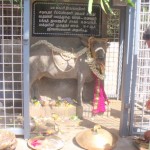
 Samadhi (tomb) of the cow Lakshmi which is located outside in the yard beside the dining hall. A group of devotees assembled here and the statue of Lakshmi was given abhishekam with milk and then a puja was performed with the photo of Bhagavan fondling Lakshmi looking on. The ashram ladies sang many beautiful hymns in praise of Lakshmi describing her devotion to Bhagavan and other touching episodes in her life like how she used to give birth to a calf every year right on Bhagavan’s birthday. Many devotees especially the older ones were moved to tears and all felt the benign presence of Ramana filling our hearts with grace.
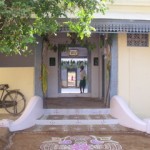 The third event happened in the cow shed of the ashram, called
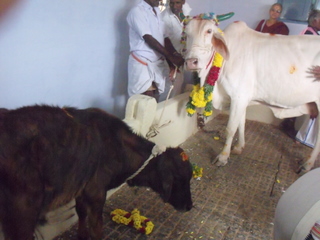
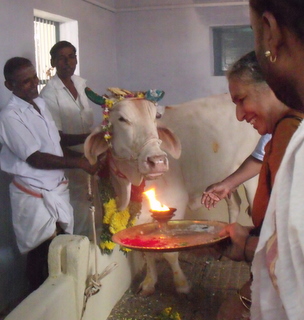
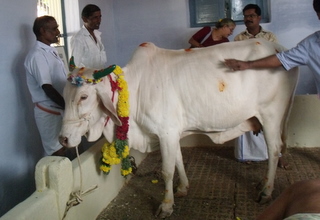
 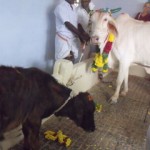 ‘Goshalai’. Inside, it was spotlessly clean and beautifully decorated with flower garlands and sugar cane and turmeric plants. In the centre, a lovely white cow (believed to be the descendant of Lakshmi) and her calf and another black cow were decorated and honoured. A puja was performed to them by the ashram priests with the same respect and energy as they would to a deity in the temple. The white cow was fed with sweet pongal from the president’s own hands and seemed to be quite content
 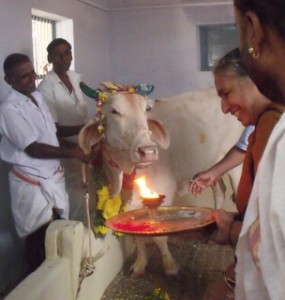 eating it. It was an enchanting scene and one felt
  transported to times of yore when cows were treated like godly beings and people were more compassionate and respectful towards them. Let us follow the example of Sri Ramana and recognize and respect the Divine Being in every fellow creature on this earth, as in ourselves.
continue reading